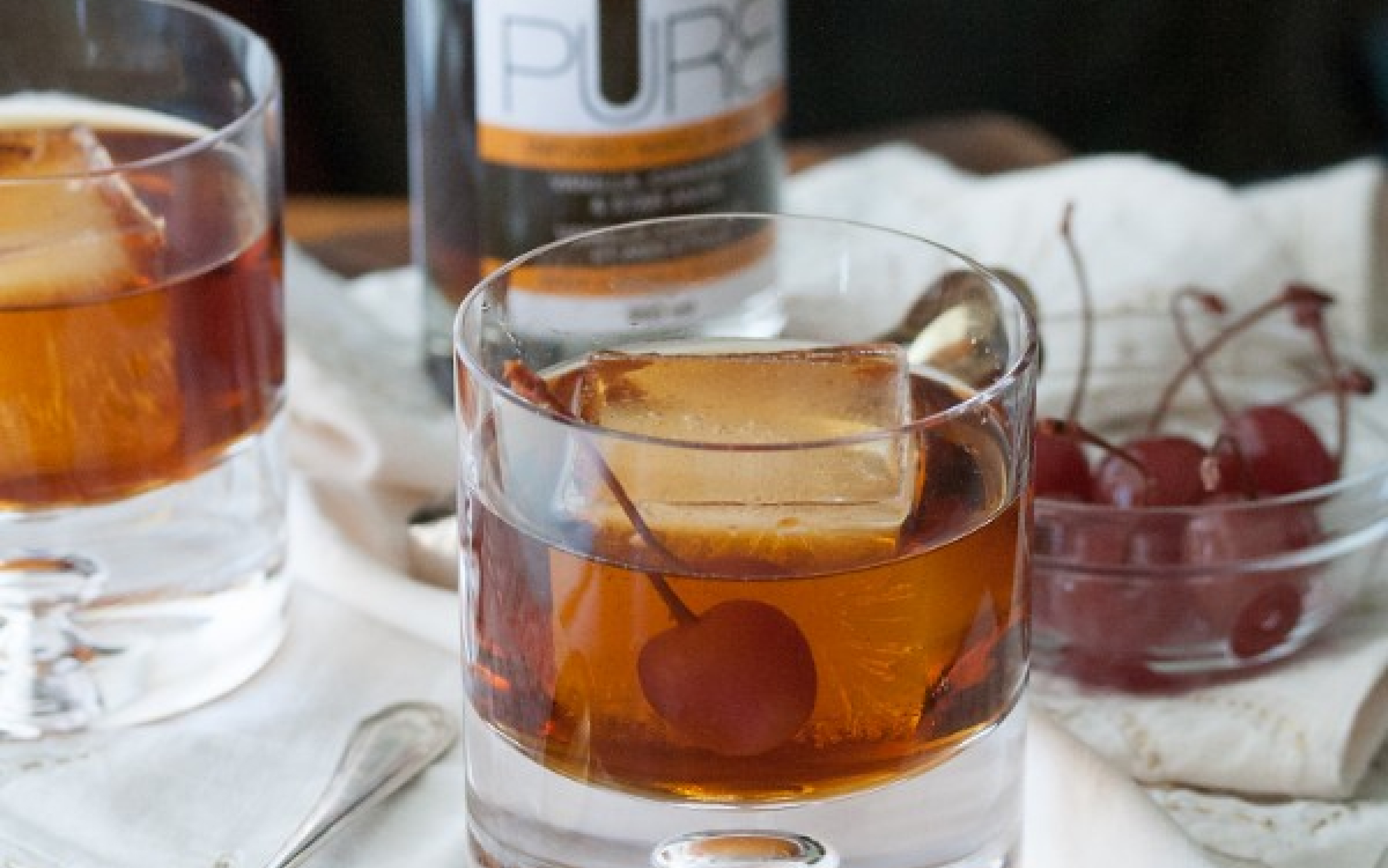
What to Mix with Bourbon: The Best Mixers and Combinations
What to Mix with Bourbon?
Bourbon mixes well with a wide range of ingredients because its core flavor profile, vanilla, caramel, and oak derived from charred barrel aging, is compatible with sweetness, acidity, spice, bitterness, and carbonation in ways that most other base spirits are not. The practical answer is that ginger ale, lemon juice, sweet vermouth, club soda, apple cider, iced tea, coffee, lemonade, and ginger beer are all proven companions. The more useful answer is that the right mixer depends on the specific bourbon you have and the kind of drink you want to build.
Understanding Three Types of Mixers
Thinking about bourbon mixers by category rather than by individual ingredient helps you make better decisions at the glass. Most mixers fall into one of three roles, and understanding what each role does makes the selection process far more deliberate.
Lengtheners are high-volume mixers that build a drink around the bourbon without fundamentally changing its flavor character. Ginger ale, ginger beer, club soda, and cola are all lengtheners. Their job is to add volume, temperature, and carbonation while keeping the bourbon recognizable as the lead ingredient. The ratio matters enormously: too much lengthener and the bourbon disappears entirely; too little and the drink is unbalanced in the other direction. A starting ratio of 1 oz bourbon to 2.5 to 3 oz lengthener is a reliable foundation.
Flavor enhancers are lower-volume ingredients that add a specific taste dimension without dramatically changing the drink's volume. Fresh lemon or lime juice, honey, simple syrup, peach nectar, and apple cider concentrate in small quantities are all enhancers. They work alongside the bourbon rather than around it. A half ounce of lemon juice in a 2 oz bourbon drink is a flavor enhancer. The same juice in a 5 oz drink is a lengthener.
Cocktail bases are structured ingredients that enter the drink as equal partners with the bourbon, shaping the entire flavor architecture. Sweet vermouth in a Manhattan, cold brew coffee in a bourbon coffee cocktail, and fresh lemonade in a tall summer drink all function as bases. These require more thought about bourbon selection because the base ingredient's own character has to be compatible with whatever is in the bottle.
Matching Mixers to Bourbon Style
Not all bourbons mix identically. The choice of mash bill, proof, and age significantly shapes what a bourbon brings to a mixed drink and what mixers work best alongside it.
Wheated bourbons such as Maker's Mark, Larceny, and Pappy Van Winkle substitute wheat for rye as the secondary grain, producing a softer, more caramel-forward flavor profile with minimal grain spice. They pair well with gentle, sweet mixers: ginger ale rather than ginger beer, honey rather than simple syrup, apple cider, and peach-based drinks. Their natural sweetness means they need less help from a mixer and can be overwhelmed by anything too aggressively flavored.
High-rye bourbons such as Wild Turkey 101, Buffalo Trace, and Four Roses Single Barrel have a spicier, drier grain character that creates productive tension when mixed. The rye spice pushes against ginger beer's intensity rather than being absorbed by it, making Kentucky Mules particularly good with this style. The same spice that makes rye-forward bourbons assertive neat makes them excellent Whiskey Sour bases because they stand up to fresh lemon acid without getting lost.
Balanced, classic bourbons such as Jim Beam, Old Forester, and Evan Williams are the most versatile mixers in the category precisely because they lack strong grain-specific character. They go with almost anything. This is why well bourbon in most bars is an everyday expression rather than a boutique one: its neutrality makes it work across a broad range of mixed drink contexts.
Barrel proof and heavily aged bourbons are a special case. Their high proof and concentrated flavor mean they need less volume than a standard expression to achieve the same presence in a drink. A barrel proof bourbon at 120 proof can comfortably handle 1 oz in a drink that a standard 90 proof expression would need 1.5 oz for. They work well with neutral high-volume mixers like sparkling water, which let the proof and flavor concentration do the work without competing with additional flavors.
The Classic Mixers: Why They Work
Ginger ale is the most forgiving bourbon mixer. Its sweetness and carbonation complement bourbon's vanilla and caramel without introducing any flavor that fights back. At a 1:3 ratio over ice in a tall glass, it produces an easy, sessionable drink. The key distinction between ginger ale and ginger beer matters here: ginger ale is lightly flavored and sweet, while ginger beer is fermented, spicier, and less sweet. They are genuinely different products that produce different drinks.
Ginger beer is the base of the Kentucky Mule, the bourbon adaptation of the classic Moscow Mule. Wine Enthusiast describes the combination as one where the rounded vanilla and grain notes of the bourbon mix well with the earthy spice of ginger, while fresh lime keeps the drink bright. High-rye bourbons are particularly well suited to ginger beer because the rye spice and ginger spice reinforce each other rather than canceling out.
Lemon juice brightens bourbon and forms the backbone of the Whiskey Sour, one of the most popular bourbon cocktails in the world. The standard ratio is 2 oz bourbon, 0.75 oz fresh lemon juice, and 0.75 oz simple syrup. Bottled lemon juice is a poor substitute because its flavor compounds have degraded. Fresh is mandatory.
Sweet vermouth is not typically thought of as a bourbon mixer, but it is one of the most structurally interesting ones because it functions as an equal partner rather than a modifier. In a Manhattan, vermouth's herbal Italian complexity and residual sweetness work alongside the bourbon's vanilla and oak to create something neither ingredient produces alone. It is the most demanding mixer in this sense: the quality of the vermouth matters as much as the quality of the bourbon.
Apple cider is a natural pairing rooted in Kentucky geography. Apple orchards and bourbon distilleries have coexisted in Kentucky for centuries, and the fruit's natural sweetness and acidity work with both wheated and high-rye bourbons. Warm apple cider with 1.5 oz of bourbon and a cinnamon stick is one of the best cold-weather drinks available anywhere.
Iced tea is an underrated bourbon mixer that combines two of the American South's most iconic beverages. Unsweetened tea works best because it keeps the drink from becoming cloying. The tannins in black tea actually complement the tannins in barrel-aged bourbon in a way that creates a cohesive flavor rather than a clash. A ratio of 1 oz bourbon to 4 oz unsweetened tea with a squeeze of lemon is simple and very good.
Coffee is the most counterintuitive but most successful unexpected pairing on this list. Bourbon's vanilla and caramel flavor compounds find genuine echoes in the roast character of coffee. A good cold brew with 1 oz of balanced bourbon stirred in is more integrated than the combination sounds on paper. Hot bourbon coffee with honey is a winter warmer that belongs alongside the hot toddy as a cold-weather standard.
What Not to Mix with Bourbon
Very sweet fruit juices such as orange juice, pineapple juice, and cranberry juice tend to overwhelm bourbon's more subtle grain and wood notes, reducing the spirit to a sweetener for what is essentially a juice cocktail. Bourbon can technically be mixed into these drinks, but its contribution becomes largely invisible. If your goal is to taste the bourbon, these are poor choices.
Carbonated energy drinks obscure bourbon's flavor completely and introduce flavors that actively clash with wood-derived compounds. They are best avoided if the bourbon's character matters to you.
Dairy works in limited applications (Irish coffee-style preparations, cream liqueur combinations) but curdles at high acidity and produces a texture that most drinkers find unpleasant in a bourbon context.
Mixing at the Source
A well-made bourbon cocktail tastes dramatically better when you know something about the spirit in the glass. Standing in a Kentucky distillery tasting room and tasting four expressions side by side, with a guide explaining what makes each one distinct, gives you the vocabulary to make better decisions at the bar and at home. You start to understand why Wild Turkey 101 makes a better Kentucky Mule than Maker's Mark, and why Maker's Mark makes a better honey bourbon than Wild Turkey. The flavor differences that drive mixer pairings are the same flavor differences that distilleries build their entire identities around.
Ready to Taste the Bourbons Worth Mixing?
The best starting point for building your home bar is knowing what you are working with. Bourbon Excursions takes small groups to Kentucky's finest distilleries, where the spirits that anchor all of these recipes are still aging in the barrel right now. If you are planning a bourbon tour in Kentucky, contact us today to start building your trip.

About the Author
Joey Myers

More Posts from the Bourbon Blog