
What Proof Is Bourbon? ABV, Proof, and Cask Strength Explained
What Proof Is Bourbon?
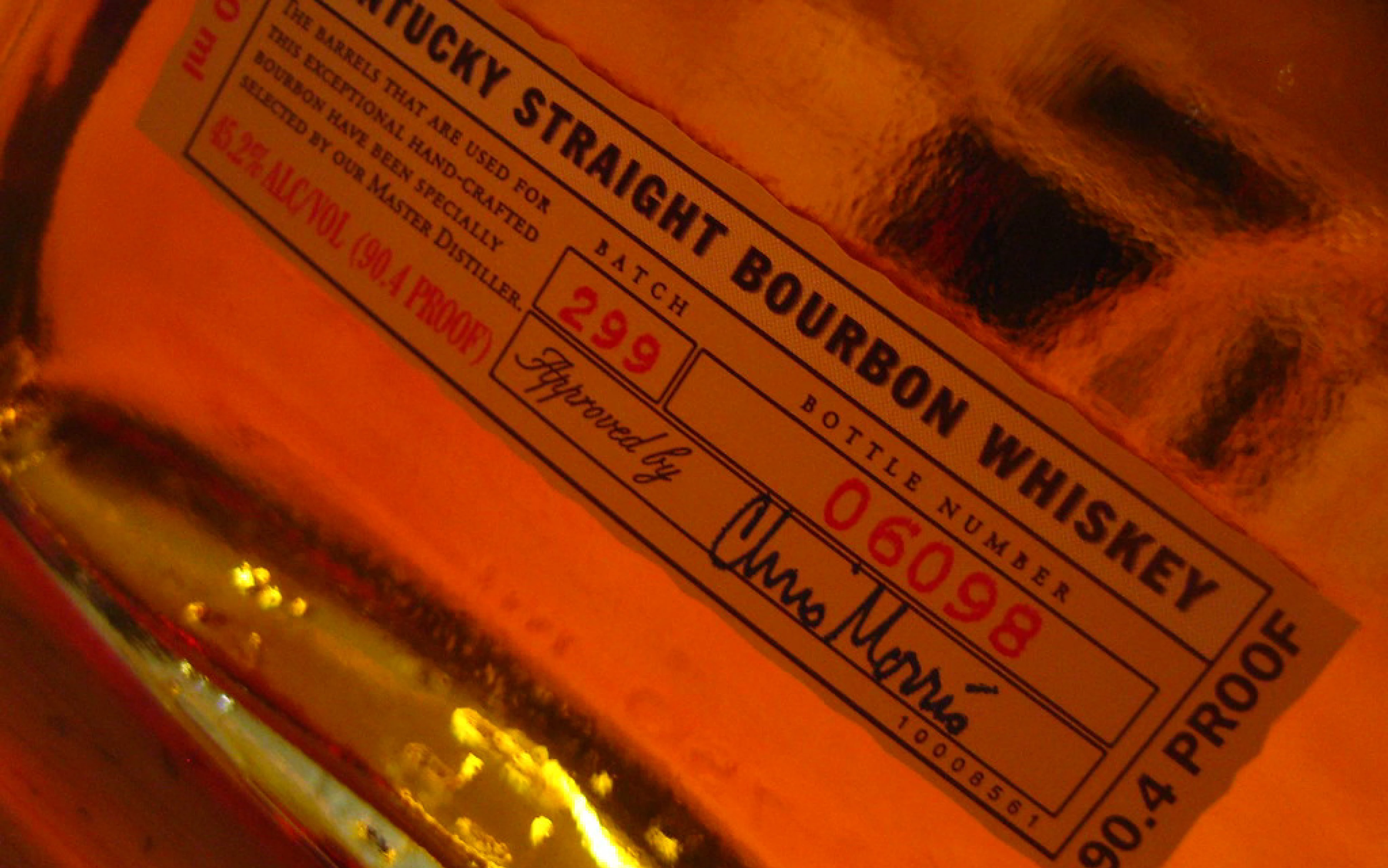
Proof is a measure of alcohol strength equal to exactly twice the ABV (alcohol by volume) percentage. A bourbon bottled at 50% ABV is 100 proof. A bourbon at 60% ABV is 120 proof. Every bourbon must be bottled at a minimum of 80 proof (40% ABV) by federal law - anything lower cannot legally be called bourbon. Most commonly available bourbons fall somewhere between 80 and 130 proof, with a wide range of styles and intensities across that spectrum.
Where the Word "Proof" Comes From
The term predates modern chemistry. In 18th-century Britain, spirits were tested for alcohol content by soaking gunpowder in the liquid and attempting to ignite it. If the powder burned, the spirit was "proof" - meaning it contained sufficient alcohol to support combustion. This corresponded to roughly 57% ABV, which became 100 degrees proof under the British system. The United States eventually adopted a simpler formula: proof equals twice the ABV percentage. That is the definition used today under 27 CFR § 5.143 and on every bourbon label sold in America.
The Legal Proof Requirements for Bourbon
Federal regulations set specific proof limits at different stages of bourbon production, not just at bottling. Understanding these limits explains a great deal about how proof shapes the final spirit.
Distillation ceiling: 160 proof (80% ABV). Bourbon cannot be distilled to a higher proof than 160. This ceiling is intentional - distilling beyond it strips away the grain-derived flavor compounds that give bourbon its character. A spirit distilled at 190+ proof (as vodka is) becomes nearly flavorless. Bourbon's lower ceiling preserves what makes it taste the way it does.
Barrel entry limit: 125 proof (62.5% ABV). The new-make spirit must enter the barrel at no more than 125 proof. This is the maximum proof at which bourbon is allowed to begin aging. Most distilleries enter at 105 to 125 proof, and that starting point influences how the spirit interacts with the wood over years of aging.
Bottling minimum: 80 proof (40% ABV). The finished bourbon must be bottled at no less than 80 proof. Nothing may be added beyond water to reach the desired proof. No coloring, no flavoring, no sweeteners.
Standard Proof: 80 to 99
Most broadly available bourbons are bottled in the 80 to 99 proof range. Water is added after barrel aging to reduce the spirit to the desired bottling proof. This makes the bourbon more approachable and more suitable for cocktail use, where the mixer's own flavors need space alongside the bourbon's character.
80 proof bourbons are the most accessible and the most mixable. As proof increases toward 90 and 95, the flavor becomes more expressive and the finish longer, while still remaining approachable enough for new drinkers. Maker's Mark at 90 proof and Evan Williams at 86 proof are both in this range.
100 Proof: The Bottled-in-Bond Standard
One hundred proof holds a specific and legally significant place in bourbon history. Under the Bottled-in-Bond Act of 1897, all bonded bourbons must be bottled at exactly 100 proof. This is the only fixed bottling proof in American whiskey law. It is also, conveniently, the easiest math: 100 proof means exactly 50% alcohol by volume.
At 100 proof, bourbon develops noticeably more flavor intensity and body than standard 80 to 86 proof releases. The higher alcohol does more work extracting flavor compounds from the barrel and carrying aromatic compounds to the nose. Many experienced drinkers consider 100 proof the sweet spot - enough punch to be interesting, not so much that it overwhelms.
High Proof: 101 to 124
Above 100 proof but below true barrel proof lies a range of expressions that split the difference between approachability and intensity. These bourbons have had some water added at bottling, but less than standard releases. Wild Turkey 101, bottled at its namesake proof, is the classic example: more complex and expressive than its lower-proof peers, still approachable enough to be a daily sipper for millions of drinkers.
In this range, the bourbon's oak character, vanilla, and caramel notes tend to present with more definition, and the finish is typically longer. High-proof bourbons also hold up better in spirit-forward cocktails like the Manhattan or Old Fashioned, where the spirit needs to stand against vermouth and bitters without getting lost.
Barrel Proof and Cask Strength: 125 and Above
Barrel proof bourbon is bottled at or very near the proof at which it was drawn from the barrel, without significant water addition. The legal definition, established in ATF Ruling 79-9, permits a maximum 1% ABV difference between the barrel proof and the bottled proof to account for measurement variation. Cask strength is the same concept, with the name more common in European whisky tradition. Both terms mean the same thing.
Because bourbon enters the barrel at no more than 125 proof and Kentucky's seasonal temperature extremes cause proof to rise during aging as water evaporates faster than alcohol, barrel proof bourbons frequently land between 120 and 140 proof by the time they are bottled. The exact proof depends on how long the bourbon aged, where in the rick house the barrel sat, and the seasonal conditions it experienced.
The practical result is a more concentrated, intense flavor experience. Every compound extracted from the wood is present at maximum strength. Barrel proof bourbons are best approached neat, with a few drops of water added gradually to find your preferred dilution. Adding water is not a compromise - it is the intended way to explore the spirit, as it opens aromatic compounds that are suppressed at very high alcohol concentrations.
Hazmat: 140 Proof and Above
The term "hazmat bourbon" is unofficial but widely used in enthusiast circles to refer to any bourbon bottled at 140 proof (70% ABV) or higher. The name comes from shipping regulations: spirits above 140 proof are classified as hazardous materials under federal transportation rules, triggering special handling requirements. This has nothing to do with safety when drinking - it is purely a logistics classification.
Hazmat bourbons are rare. The Buffalo Trace Antique Collection releases, particularly George T. Stagg and William Larue Weller, regularly appear in this range. At these proof levels, the ethanol heat is significant, and even experienced drinkers typically add water before tasting.
Does Higher Proof Mean Better Bourbon?
Not necessarily. Proof is a production fact, not a quality indicator. A well-made 86 proof bourbon can be more complex and satisfying than a poorly-made 120 proof one. What proof does is change the character of the tasting experience: higher proof concentrates flavor, extends the finish, and increases the warming sensation. Lower proof makes the bourbon more delicate, softer, and often more approachable.
The best proof for any given bottle is the one that best expresses its particular flavor profile. Some bourbons are designed to be approachable at 80 to 90 proof. Others are designed specifically for barrel proof release, and diluting them would diminish their point.
Proof on a Distillery Tour
Proof becomes tangible on a Kentucky distillery tour in a way that reading about it never quite achieves. When a guide draws a sample directly from a barrel - a thief sample, as it is called - you are tasting the spirit at its barrel proof. When the tasting room pours the same distillery's flagship 90 proof expression alongside a barrel proof release, the difference in weight, heat, and intensity is unmistakable.
Understanding proof gives you the vocabulary to ask better questions, make more deliberate choices at the tasting bar, and understand why two bourbons from the same distillery, made from the same grain recipe, can taste so dramatically different simply because of what happened at the bottling stage.
Ready to Taste the Difference in Person?
The best way to understand what proof really means is to taste it. From a crisp 90 proof daily sipper to a full-throttle barrel proof expression, Kentucky distilleries offer the full spectrum in their tasting rooms - and a knowledgeable guide makes all the difference. If you're planning a bourbon tour in Kentucky, contact Bourbon Excursions today to start building your trip.

About the Author
Joey Myers

More Posts from the Bourbon Blog

