
What Is Sour Mash Bourbon? The Process Behind Most Kentucky Whiskey
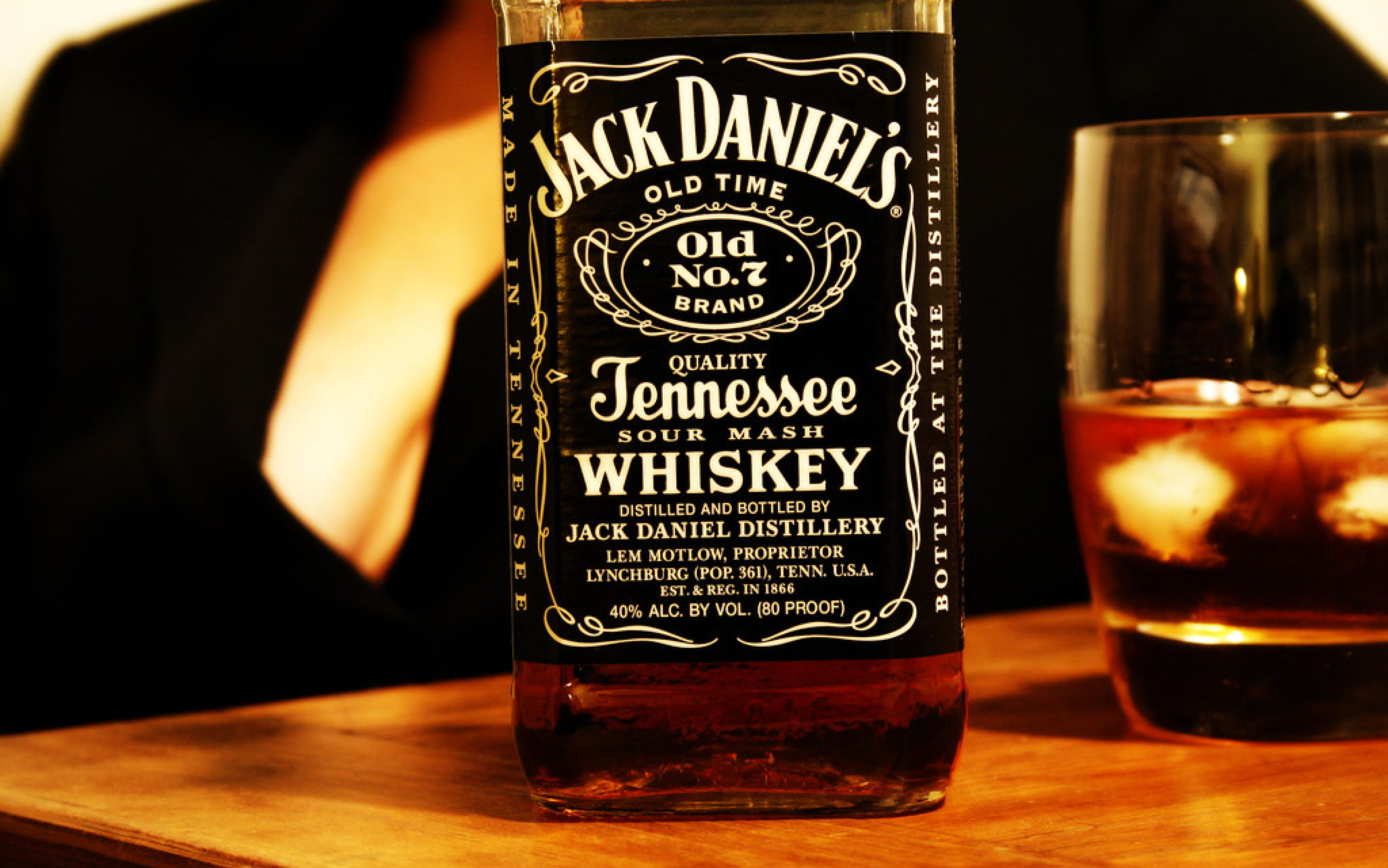
What Is Sour Mash Bourbon?
Sour mash bourbon is bourbon produced using a fermentation technique in which a portion of the acidic liquid left over from a previous distillation run is added to each new batch of fermenting grain mash. This leftover liquid is called backset, though it is also referred to as stillage, setback, or spent beer. The practice has been the dominant fermentation method in Kentucky bourbon production for nearly two centuries and is used by the vast majority of major distilleries today.
The name can be misleading. Sour mash bourbon does not taste sour. The word sour refers to the acidic nature of the backset, not to any flavor characteristic in the finished whiskey. A bottle labeled sour mash will taste like bourbon, not vinegar. Understanding what the term actually describes, what problem it was invented to solve, and how it differs from sweet mash production reveals something important about why bourbon tastes the way it does and why it is so consistent year to year.
What Is Backset and Why Does It Matter?
Backset is the thin, watery liquid that remains after the fermented mash has been distilled. When a batch of bourbon runs through the still, two things come out: the alcohol-rich vapor that becomes whiskey, and the spent, non-alcoholic liquid that drains away below. That spent liquid is the backset.
On its own, backset is not useful as a product. It is acidic, mineral-rich, and carries residual compounds from the fermentation cycle that just completed. But distillers discovered that adding it back into the next batch of fermenting mash created two significant advantages that fresh water alone could not provide.
The Kentucky Distillers' Association defines backset as the thin, watery part of a previously distilled batch of whiskey mash that is added back into the next batch, noting that it is also known as sour mash, setback, stillage, or spent beer. The dual naming reflects how thoroughly the backset and the sour mash process have become intertwined in bourbon tradition.
The Two Jobs Backset Does
Adding backset to a new mash accomplishes two things simultaneously, and both were consequential enough that the practice became industry standard before modern chemistry could fully explain why it worked.
Bacterial protection through pH control. Fresh grain mash has a relatively neutral pH, which creates conditions in which a wide range of microorganisms can compete during fermentation. Some of those microorganisms are harmful bacteria that can ruin a batch by producing off-flavors, acetic acid, or by outcompeting the distiller's yeast entirely. Backset is highly acidic, typically with a pH around 3.5 to 4.0. Adding it to the new mash drops the fermenter's overall pH to a range hostile to most harmful bacteria while still allowing a well-adapted yeast strain to thrive. Before modern refrigeration and industrial sanitation, this protection was the primary defense against batch contamination. In Kentucky's hot summer months, when warm temperatures accelerated bacterial growth, the sour mash process was often the difference between a successful fermentation and a ruined one.
Batch-to-batch consistency. Because each batch of backset carries the mineral profile, yeast byproducts, and chemical signature of the previous fermentation, adding it to the next batch creates a thread of continuity across production runs. The new batch inherits characteristics from the last one, which inherited them from the one before. This chemical continuity is one of the reasons why a bottle of Jim Beam White Label purchased in 2025 tastes essentially the same as one purchased in 2005, even though no single ingredient was carried forward. The sour mash process is a key mechanism for that consistency.
Who Invented Sour Mash?
The history of sour mash has two key figures, and one of them is rarely credited.
The first documented recipe for sour mash was recorded in 1818 by Catherine Carpenter of Casey County, Kentucky. According to the Kentucky Distillers' Association, Carpenter's written record predates the more famous name associated with the process and represents the first known formalization of the technique. Her contribution was largely overlooked for much of bourbon history.
The name more commonly associated with sour mash is James C. Crow, a Scottish-born physician who became the master distiller at the Old Crow Distillery in Woodford County in the 1830s. Crow brought a scientific approach to the process that was unusual for the era, applying chemical analysis to monitor fermentation pH and backset ratios with a consistency that his contemporaries did not match. He did not invent the technique, but he industrialized it and demonstrated that it could be applied rigorously and repeatably at scale. The standards he established helped transform Kentucky bourbon from an informal craft into a consistent commercial product.
Is Sour Mash Legally Required for Bourbon?
No. The sour mash process is not required by federal law under the standards of identity for bourbon codified in 27 CFR 5.143. A bourbon does not have to use backset in its fermentation to be legally labeled as bourbon. The regulations govern the grain bill, distillation proof, barrel type, and bottling proof, but say nothing about fermentation method.
The dominance of sour mash in Kentucky production is therefore a practical tradition rather than a legal mandate. Distilleries use it because it works: it protects fermentation quality, stabilizes pH, and produces consistent results across a very large number of batches per year. It would be technically possible to produce legal bourbon using entirely fresh water in each fermentation. The sweet mash distillers described below do exactly that.
What Is Sweet Mash?
Sweet mash bourbon uses only fresh grain, fresh water, and yeast in each fermentation batch. No backset is carried over from previous runs. Each fermentation begins entirely clean, with no chemical inheritance from prior batches.
The name sweet mash comes from the natural sweetness of freshly cooked grain mash before any acidic backset is added. In the absence of backset's acidity, the fermenter operates at a higher, more neutral pH, which creates different conditions for the yeast and can produce a distinct ester profile. Distillers who choose this approach argue that the absence of backset gives them more direct control over each batch's individual character, allowing fruity and floral notes to develop more freely without the chemical continuity of the sour mash thread.
The trade-off is greater vulnerability to bacterial contamination and more variability between batches. Sweet mash production requires careful temperature control, modern sanitation practices, and close monitoring throughout fermentation. It is a viable approach with modern equipment but was genuinely risky in the pre-refrigeration era, which is part of why sour mash became dominant.
Whisky Advocate has described sweet mash as a rarer style used primarily by some craft distillers, noting that sweet mash distillers say leaving out backset gives them more control over a whiskey's flavors and allows them to release quality expressions at a younger age.
Who Makes Sweet Mash Bourbon in Kentucky?
Wilderness Trail Distillery in Danville, Kentucky is the most prominent practitioner of sweet mash production in the state. Founded by fermentation scientists Pat Heist and Shane Baker, Wilderness Trail built its entire production philosophy around the sweet mash process, arguing that modern fermentation science makes the bacterial protection of backset unnecessary when proper temperature and sanitation controls are in place. Their sweet mash bourbons are noted for a distinctly fruity and floral fermentation character that sets them apart from sour mash expressions.
Wilderness Trail is a member of the Kentucky Bourbon Trail and has grown into one of the state's larger craft producers. Their approach represents a genuine alternative within Kentucky tradition, and tasting their expressions alongside a sour mash bourbon from a neighboring distillery offers a direct comparison of how fermentation method shapes flavor.
Does Sour Mash Affect Flavor?
Yes, though not in the way the name implies. Sour mash does not make bourbon taste sour. The acidity of the backset is expressed during fermentation, not in the finished spirit, which is distilled at high proof and then aged in charred oak for years. By the time a sour mash bourbon reaches the bottle, the backset's contribution is expressed as consistency and structural stability, not as tartness or acidity.
What the sour mash process does affect is the fermentation ester profile. The lower pH created by backset tends to suppress certain fruity and floral ester production while favoring the yeast strains that drive the vanilla, caramel, and spice notes most commonly associated with Kentucky bourbon. Sweet mash fermentations, operating at higher pH, often produce more pronounced fruit and flower aromatics precisely because that ester suppression is absent.
This difference is subtle in the finished product but real. An experienced taster comparing Wilderness Trail's sweet mash expressions alongside a sour mash bourbon from a similar mash bill and age can detect a distinct freshness and floral quality in the sweet mash that reflects the fermentation conditions. Most drinkers, without the direct comparison, would simply describe both as bourbon.
Sour Mash at the Distillery
On a Kentucky distillery tour, the fermentation room is where the sour mash process becomes visible. Most major distilleries show visitors the fermenter vessels, the active fermentation producing carbon dioxide gas, and the color and texture difference between a fresh batch and one in late fermentation. Guides at many distilleries explain the role of backset and demonstrate how the yeast strains and backset ratios are managed to produce the distillery's signature flavor profile.
A few distilleries allow visitors to smell or taste the fermented mash before distillation, which is often described as resembling a thick, sweet, slightly tangy beer. This gives direct sensory context for what the sour mash process produces before the still transforms it into whiskey.
Ready to Experience the Process in Person?
The sour mash process is not just a historical footnote. It is running continuously in every major Kentucky distillery, in fermenter vessels the size of swimming pools, right now. Bourbon Excursions takes small groups to the distilleries where this is happening, with guides who can explain what you are seeing and smelling in the fermentation room. If you are planning a bourbon tour in Kentucky, contact us today to start building your trip.

About the Author
Joey Myers

More Posts from the Bourbon Blog

