
What Is Small Batch Bourbon? (And Single Barrel, Too)
What Is a Small Batch Bourbon?
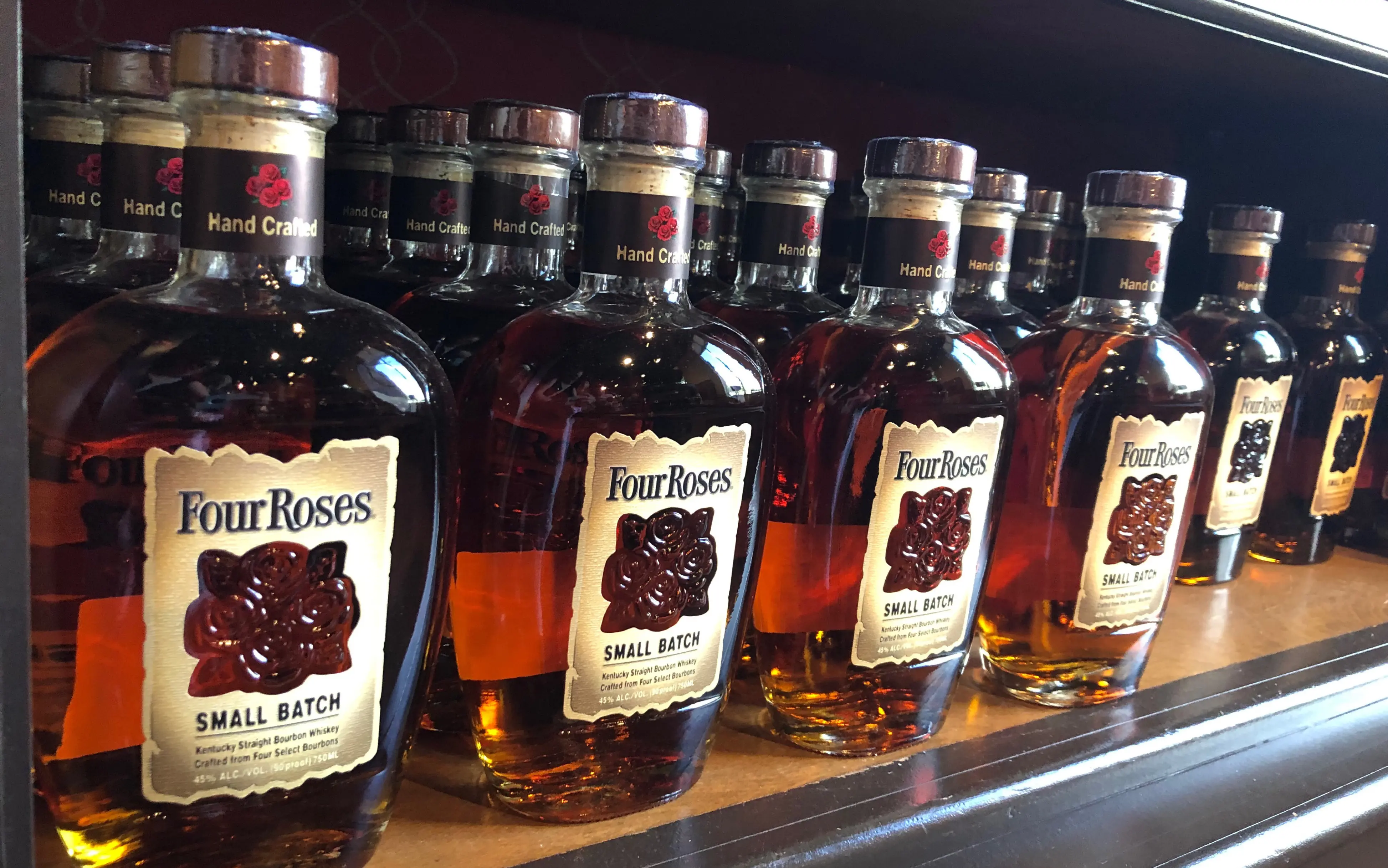
Small batch bourbon is made by blending a limited selection of barrels chosen by the master distiller for balance and consistent character. There is no federal legal definition of the term, which means any distillery can print it on any bottle regardless of how many barrels were used. What distinguishes a small batch release from a standard production bourbon is intent and selection: the barrels are hand-picked to create a more complex, distinctive expression than the distillery’s everyday product.
The term itself originated in the 1980s and 1990s as premium bourbon began emerging as a serious category. Heaven Hill applied it to Elijah Craig. Jim Beam used it on Knob Creek. The idea was to signal craft and care — a step above the flagship but below the rarefied air of single barrel releases. Today small batch appears on hundreds of labels across the price spectrum, from $25 bottles to $150 limited editions.
Why There Is No Legal Definition
Under 27 CFR § 5.143, the federal regulations governing bourbon production are specific about grain percentages, distillation proof, barrel requirements, and additives. They say nothing about batch size. This absence is meaningful: it means that a craft distillery blending 4 barrels and a large Kentucky operation blending 200 barrels can both legally call their product small batch.
The result is that small batch is a marketing descriptor more than a production category. Some producers define it strictly and communicate the barrel count. Others use it loosely. The most reliable way to understand what a particular distillery means by small batch is to look at the label notes or contact the producer directly.
What Is a Single Barrel Bourbon?
Single barrel bourbon comes from exactly one cask, bottled without blending. Every bottle in the release traces back to one specific barrel that was hand-selected for its exceptional quality. Because each barrel develops its own flavor profile over time — shaped by where it sat in the rick house, the wood grain of its staves, and how seasonal temperature cycles interacted with that specific cask — no two single barrel releases taste exactly the same.
Most single barrel releases carry identifying information on the label: a barrel number, fill date, and sometimes the rick house location and floor level where the barrel aged. This traceability is part of what makes single barrel bourbon appealing to collectors and enthusiasts. A bottle purchased today from a specific barrel is genuinely irreplaceable once that barrel is gone.
Blanton’s, introduced in 1984, is widely credited with popularizing the single barrel category. Kentucky distilleries now produce hundreds of single barrel expressions across all price points, and many retailers offer private barrel selections — a program where the retailer visits the distillery, tastes from multiple barrels, and selects one to be bottled exclusively for their store.
Small Batch vs. Single Barrel: The Key Difference
The difference comes down to consistency versus individuality. Small batch blending is an exercise in harmony: the master distiller combines barrels to smooth out extreme notes, balance competing characteristics, and produce an expression that represents the distillery’s house style reliably from release to release. Returning customers know what they are getting.
Single barrel is the opposite philosophy. There is no attempt to standardize. The goal is to showcase the unique character of one specific cask, with all of its idiosyncrasies. Experienced drinkers seek out single barrels precisely because they are unrepeatable. Many enthusiasts compare barrel numbers and rick house locations, trading notes on how two bottles from the same distillery differ from each other.
Neither approach is superior. They represent different values. Small batch rewards consistency and accessibility. Single barrel rewards curiosity and exploration.
What Is Barrel Proof (Cask Strength) Bourbon?
Barrel proof bourbon, also called cask strength, is bottled directly from the barrel without any water dilution. The proof you see on the label is precisely what came out of the wood. Because bourbon enters the barrel at no more than 125 proof and typically gains proof during aging as water evaporates (a process called the Angel’s Share), barrel proof expressions often run between 110 and 140+ proof depending on the age and warehouse conditions.
The practical result is maximum flavor intensity. Every molecule of vanilla extracted from the char, every tannin drawn from the oak, every caramel compound developed over years of seasonal cycling is present at its highest concentration. Barrel proof bourbon is often described as bold, rich, and warming. Adding a few drops of water to your glass at this proof level is not a compromise — it is a technique that opens up aromatic compounds and softens the ethanol heat, making the flavor more accessible.
Barrel proof is frequently combined with single barrel to create expressions like George T. Stagg or Booker’s: one barrel, no water, bottled as-is. These releases are among the most sought-after in the category.
What Is Bottled-in-Bond Bourbon?
Bottled-in-Bond is the most rigorously defined term in American whiskey, governed by the Bottled-in-Bond Act of 1897. To carry the designation, a bourbon must meet four non-negotiable requirements: it must be the product of one distillery, produced during a single distilling season (January through June or July through December), aged for a minimum of four years in a federally bonded warehouse under government supervision, and bottled at exactly 100 proof (50% ABV). No blending with product from other distilleries or other seasons is permitted.
The Act was originally passed as consumer protection legislation in an era when adulterated spirits were widespread. The bonded warehouse system gave the government oversight of production from barrel entry to bottling, providing a verifiable guarantee that what was on the label was what was in the bottle. That guarantee remains meaningful today, making bottled-in-bond one of the few bourbon designations that carries real legal weight.
Bottled-in-bond bourbons tend to be structured, robust, and reliable. The 100 proof bottling strength gives them good weight without the intensity of barrel proof expressions. Old Forester 100, Evan Williams Bottled-in-Bond, and E.H. Taylor Small Batch are all BiB releases with strong followings.
How These Terms Matter on a Distillery Tour
On a Kentucky distillery tour, the tasting room is usually where these terms become most tangible. When a guide pours you a standard release alongside a single barrel pick, you are experiencing the difference between blending philosophy and individual barrel character in the same glass. When they open a barrel proof expression, you are tasting what the spirit actually is before water changes it.
Understanding these four terms transforms a tasting from a passive experience into an active one. Instead of simply reacting to what’s in the glass, you can ask informed questions: which rick house did this single barrel come from? What was the barrel count on the small batch? Is the barrel proof expression also single barrel?
These are the conversations that happen at the best distillery tours, and they are conversations that begin with knowing what the words on the label actually mean. For more on how bourbon gets from grain to glass, see our guide to how bourbon is made.

About the Author
Joey Myers

More Posts from the Bourbon Blog

