What Is a Bourbon Flight? How Distillery Tastings Work
What Is a Bourbon Flight?
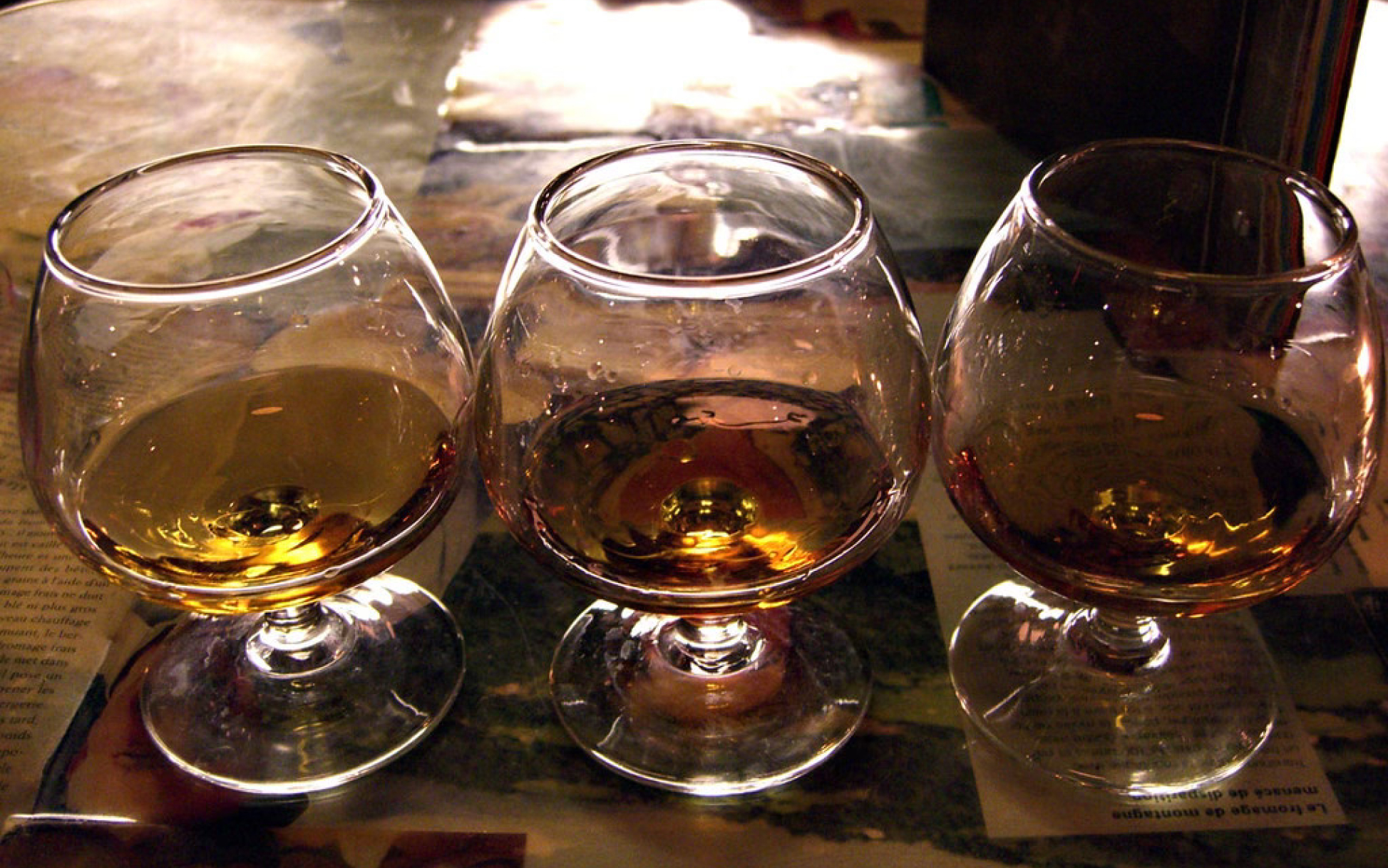
A bourbon flight is a curated set of small pours served together so a drinker can compare different expressions side by side. Most flights contain three to five bourbons, each poured at roughly a half ounce, arranged in a specific order designed to guide the drinker from lightest to boldest. The word flight comes from the same concept used in craft beer and wine tasting: a group of related items presented together for the purpose of comparison rather than consumption.
A flight is not the same as ordering several drinks in sequence. The purpose is comparative: you taste each pour with the others in mind, noticing how the same grain distilled at a different age, proof, or mash bill produces a dramatically different experience in the glass.
How Distillery Flights Differ from Bar Flights
There are two distinct contexts in which you will encounter a bourbon flight, and they serve different purposes.
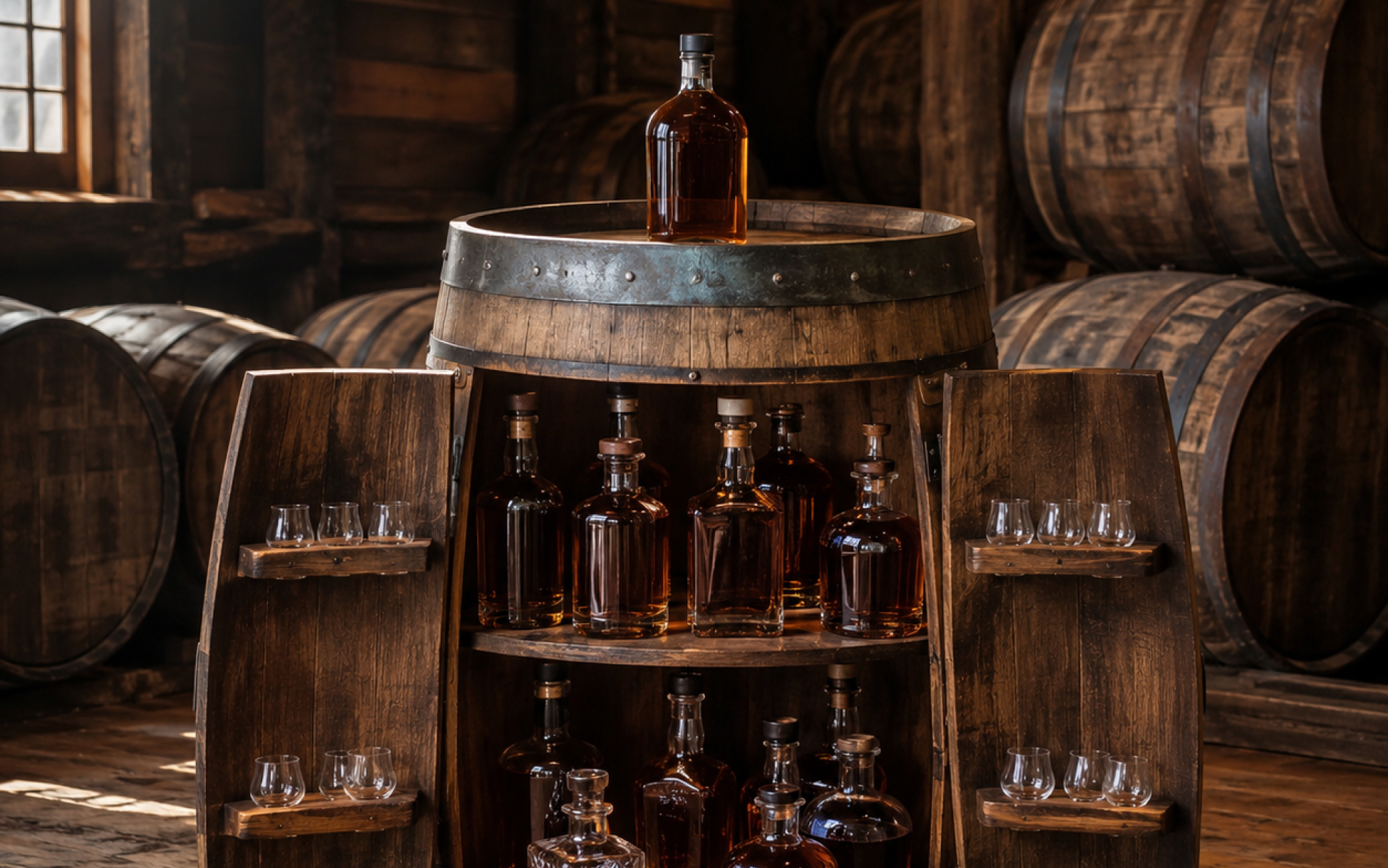
A distillery flight is curated by the people who made the bourbon. It typically showcases that distillery's own range, ordered to tell the story of how production decisions shape flavor. You might taste the same distillery's standard expression alongside their single barrel, their barrel proof release, and perhaps an experimental or limited expression. The distillery guide explains what you are tasting and why the differences exist. This is the most educational flight experience available because the context is specific and the expertise is present.
A bar or tasting room flight is assembled by the venue and can span multiple distilleries. It might compare different mash bills, different ages, or different regions. A good bar flight is curated by someone with genuine knowledge who has thought about what comparing these specific expressions will reveal. A less thoughtful flight is simply five popular bottles set in a row.
The Kentucky Bourbon Trail distilleries typically offer structured tasting experiences that function as guided flights, with a Certified Bourbon Steward or trained guide walking the group through each pour. These are among the best introductions to the spirit available anywhere because the educational framing transforms what might otherwise be just drinking into a comparative exercise with real takeaways.
How Much Bourbon Is in a Flight?
Standard distillery pour sizes in Kentucky run between half an ounce and one ounce per expression. Most guided distillery tastings pour on the smaller end, typically a half ounce, so that guests can taste several expressions without accumulating too much alcohol. A four-pour flight at a half ounce each totals two ounces of bourbon, roughly equivalent to one standard drink.
Bar flights tend to pour more generously, sometimes a full ounce per glass. A three-pour bar flight at one ounce each is three ounces of whiskey, already approaching a significant serving. Guests who want to taste more variety are often better served requesting smaller pours explicitly.
One practical note: if you are visiting multiple distilleries in a single day on a guided tour, the cumulative volume of multiple tastings adds up. A professional tour guide paces the group accordingly. Self-guided visitors should be similarly mindful of how much they are actually consuming across multiple stops.
What Order Should You Taste Them In?
The foundational rule of any spirit flight is to move from lowest proof to highest. Higher alcohol temporarily desensitizes the palate and suppresses the perception of subtle aromatics. If you drink a 130-proof barrel proof expression first, the lighter 86-proof standard release that follows will taste flat and thin in comparison. In the reverse order, you progressively acclimate the palate to greater intensity and can perceive each expression on its own terms.
A secondary principle is to move from simpler to more complex. Young, grain-forward expressions first. Heavily aged, oak-dominant expressions later. Single barrel and barrel proof pours almost always belong at the end.
Distillery guides know this and structure their tastings accordingly. If you are building your own flight at a bar, ask the bartender for their recommendation on order before you start.
How to Taste a Bourbon Properly
A tasting flight is only useful if you are actually paying attention to what you are tasting. The following approach is used at distillery tasting rooms across Kentucky and gives you the most information from each pour.
Nose it first. Hold the glass just below your nose and inhale gently with your mouth slightly open. The first impression is often the most revealing. Try to identify specific aromas: vanilla, caramel, oak, dried fruit, grain, spice. Swirl gently and nose again. Many aromatics appear on the second or third smell that were not present on the first.
Taste neat. Take a small sip and let it sit in the mouth for several seconds before swallowing. Many Kentucky distillery guides teach what they call the Kentucky Chew: gently moving the bourbon around the mouth to coat all taste surfaces, including the cheeks, before swallowing. Note what you taste at first contact, what emerges at mid-palate, and what the finish feels like as the bourbon goes down.
Add water. A few drops of still water suppress ethanol vapor and allow aromatic compounds that were hidden behind the alcohol to emerge. For expressions above 100 proof, water is not optional for getting the most out of the pour. Add drops gradually rather than all at once, tasting after each addition to find your preferred dilution point.
Cleanse your palate between pours. Still water works better than sparkling. Unsalted crackers are useful. The common practice of sniffing coffee beans resets the sense of smell but does not reset the taste receptors, so it is not a substitute for water. Give your palate at least 30 seconds before moving to the next pour.
What Makes a Good Flight?
The most informative flights are built around a single variable. Changing one thing at a time and keeping everything else constant lets you isolate what that variable actually contributes.
A mash bill comparison flight might place a high-rye bourbon next to a wheated bourbon of similar age and proof. The difference in grain recipe is directly audible in the flavor.
An age progression flight from the same distillery, say a 4-year, an 8-year, and a 12-year expression from identical mash bills, makes the effect of time in the barrel concrete and specific.
A proof comparison flight using the same base bourbon at 86 proof, 100 proof, and barrel proof shows exactly what happens to flavor, texture, and intensity as alcohol concentration rises.
Purely novelty-driven flights that grab five popular bottles without a connecting logic are less useful for learning. They can be enjoyable, but they generate impressions rather than understanding.
Distillery Flights vs. Tasting Your Own at Home
A distillery flight has one irreplaceable advantage over tasting at home: the context provided by the people who made the bourbon. When a guide at the Four Roses Distillery pours you four expressions from the same distillery and explains that the only variable between them is the yeast strain, the difference in flavor you are experiencing stops being abstract. You are tasting the contribution of a single living organism to what is in the glass.
Home tasting flights are valuable for building your own palate and vocabulary, but they lack that interpretive layer. This is one of the strongest arguments for visiting Kentucky distilleries in person rather than simply buying bottles to compare at home. The experience of tasting bourbon where it was made, with someone who understands every production decision behind it, is categorically different from anything available at a bar or at home.
What to Expect at a Distillery Tasting Room
Most Kentucky distillery tasting rooms follow a similar structure. You will be seated at a bar or table, and a guide will walk you through a preset flight of three to five expressions, spending two to four minutes on each pour. The guide will describe the production process, the mash bill, the aging conditions, and the flavor profile you should be looking for before you taste.
Some distilleries, particularly at the premium tier, offer seated reserve tastings that feature limited or allocated expressions not available in standard retail. These are typically booked separately and cost more. Woodford Reserve's Distillery Experience, Buffalo Trace's various tour tiers, and similar programs at Maker's Mark and Heaven Hill all offer elevated tasting experiences beyond the standard tour.
Designated driver arrangements are standard practice and respected at every Kentucky distillery. Guides are accustomed to groups that include non-drinking members. Distillery tasting rooms also typically offer non-alcoholic alternatives so that everyone in a group can participate in the experience.
Ready to Taste the Real Thing?
A bourbon flight at a bar is a good introduction. A bourbon flight at a Kentucky distillery, poured by the people who made it and explained by someone who knows why every decision in the production process matters, is something else entirely. Bourbon Excursions takes small groups to the distilleries where these experiences are built into every visit. If you are planning a bourbon tour in Kentucky, contact us today to start building your trip.

About the Author
Joey Myers

More Posts from the Bourbon Blog