What Color Is Bourbon? How the Barrel Creates That Amber Hue
What Color Is Bourbon?
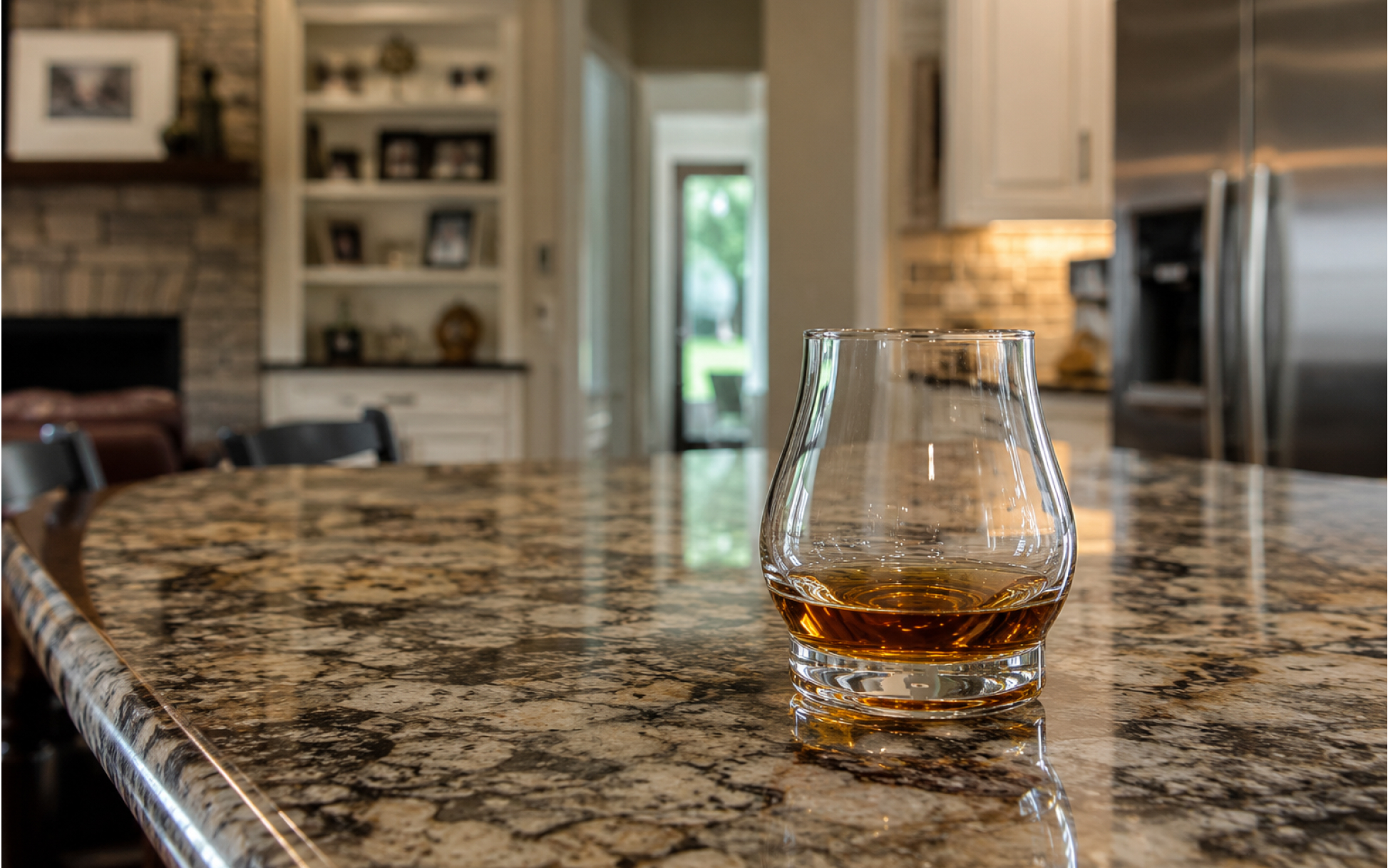
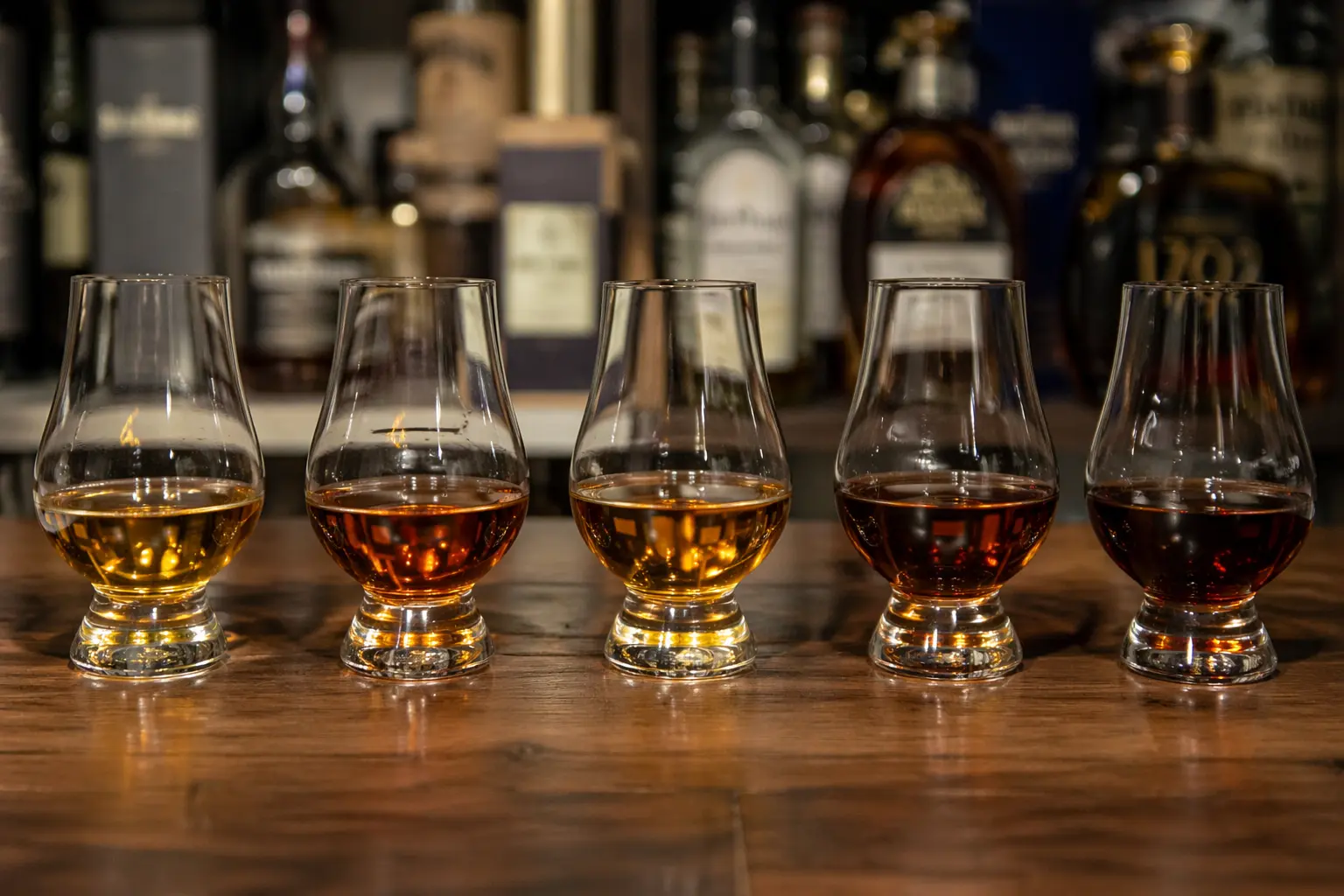
Bourbon ranges from pale gold at two years of age to near-black mahogany at twenty years or more. The specific shade depends on how long the bourbon spent in the barrel, what char level was used, and where the barrel was positioned in the rick house. No two barrels produce identical color even when filled with identical spirit on the same day. What every bottle has in common is this: every drop of color came from the wood. Not a single shade of amber in a bourbon bottle was put there artificially.
Bourbon Starts Clear
When bourbon leaves the still and is filled into a new charred oak barrel, it is completely colorless. The spirit at this stage is called new make or white dog - a clear, high-proof liquid that tastes primarily of grain and raw distillate. There is no amber, no caramel, no vanilla. Everything that gives mature bourbon its color and its characteristic flavor is created entirely during barrel aging through a series of chemical reactions between the spirit and the wood.
This is one of the most striking demonstrations available on a Kentucky distillery tour: tasting new make spirit alongside a mature bourbon drawn from a barrel of the same recipe. The transformation from clear to deep amber is not cosmetic. It reflects a complete chemical rebuilding of the spirit's flavor compounds.
The Chemistry Behind the Color
Bourbon's amber color is produced by three overlapping chemical processes as the spirit extracts compounds from the charred oak over months and years.
1. Tannin extraction. Tannins are polyphenolic compounds naturally present in oak wood. As bourbon cycles in and out of the wood stave with the seasons, it draws tannins into solution. Tannins contribute the deep amber-to-brown color range, as well as the drying sensation on the palate and the structural backbone that distinguishes well-aged bourbon from young spirit.
2. Lignin degradation. Lignin is one of the primary structural polymers in wood. When the barrel is charred, heat breaks down the lignin into aromatic compounds including vanillin (the primary source of vanilla flavor in bourbon) and a range of color-producing molecules. The longer the bourbon ages and the more it cycles through the wood, the more these compounds accumulate in the spirit.
3. Hemicellulose caramelization. Hemicellulose is a carbohydrate component of the wood that breaks down and caramelizes during the charring process, creating the red layer just beneath the char surface. This layer is a primary source of caramel, toffee, and brown sugar flavor - and it also contributes warm amber tones to the spirit's color as the bourbon extracts these compounds during aging.
The Kentucky Distillers' Association describes the new charred oak barrel as the source of bourbon's color and most of its flavor - a direct result of these chemical interactions between spirit and wood.
No Color May Be Added to Bourbon
Bourbon is one of the most tightly regulated spirits in the world when it comes to color. Under federal standards of identity codified in 27 CFR 5.143, no coloring, flavoring, or blending materials may be added to bourbon or straight bourbon whiskey. The Alcohol and Tobacco Tax and Trade Bureau (TTB) enforces this prohibition. If a producer adds caramel coloring to darken their whiskey, it can no longer legally be called bourbon.
This is a meaningful distinction from most other whiskey categories in the world. Scotch whisky, Irish whiskey, Canadian whisky, and many blended whiskeys are legally permitted to add spirit caramel (E150a) to standardize color across batches. A 12-year-old Scotch and a 4-year-old bourbon can be identical shades of amber in the glass - but the Scotch's color may have been adjusted, while the bourbon's color is purely the product of time in the barrel.
What Color Can Tell You About a Bourbon
Because bourbon's color is entirely natural, it carries genuine information about the spirit in the glass. It is not a perfect predictor - too many variables affect how rapidly color develops - but it is a useful starting point.
Lighter color generally suggests younger spirit or lighter wood contact. A pale gold bourbon is often 2 to 4 years old, or was aged in a lower-floor barrel where temperatures are milder and extraction is slower. The flavor will typically be more grain-forward, with vanilla and caramel just beginning to emerge.
Deeper amber and copper tones suggest more substantial aging. A rich copper-amber bottle has usually spent 6 to 10 years in a barrel that experienced meaningful seasonal cycling. Vanilla and caramel are well-developed. Oak structure is present. Secondary notes of dried fruit and spice have begun to appear.
Very deep mahogany suggests extended aging or upper-floor barrel placement. Barrels on the upper floors of a Kentucky rick house experience the most dramatic temperature swings, accelerating both extraction and evaporation. The same recipe aged 8 years on the top floor can be darker than the same recipe aged 12 years on the ground floor. This is why color alone cannot tell you precisely how old a bourbon is - only the label's age statement can do that reliably.
Darker does not mean better. Very old bourbon can become over-oaked and bitter if the barrel chemistry does not hold in balance over extended aging. The best color for a bourbon is the one that corresponds to its ideal aging point - which varies by mash bill, char level, barrel size, and rick house location.
How Color Varies Across Whiskey Styles
Understanding bourbon's color is easier in context of how other whiskeys compare.
Scotch whisky aged in ex-bourbon barrels (used casks that previously held bourbon) extracts far less color from the wood than fresh bourbon does from a new barrel. A 12-year-old Scotch aged in ex-bourbon oak can be lighter in color than a 4-year-old bourbon aged in virgin American white oak. The new barrel requirement is what gives bourbon its intensity of color development relative to age.
Irish whiskey, similarly aged in used casks, develops color more slowly. A 10-year-old Irish whiskey can appear paler than a 6-year-old Kentucky bourbon for the same reason.
Rye whiskey, which by law follows the same production rules as bourbon (new charred oak, no additives), develops color at a similar rate to bourbon but can appear slightly different in tone due to rye's grain chemistry interacting differently with the wood compounds.
Color and Flavor: What to Expect
Because the same chemical processes create both color and flavor, a bourbon's color profile correlates loosely with its taste profile. Lighter bourbon tends toward softer, sweeter, more grain-forward flavor with approachable alcohol character. Darker bourbon tends toward more wood-influenced flavors: vanilla and caramel remain present but are joined by tannins, dried fruit, leather, and dark spice.
At the extremes of the spectrum, new make spirit tastes almost nothing like mature bourbon, despite being the same liquid at the start. And the darkest, longest-aged expressions - Pappy Van Winkle 23, George T. Stagg - are so transformed by the barrel that the grain character of the original mash bill is nearly unrecognizable beneath the accumulated wood chemistry of two decades.
Reading Color in the Tasting Room
On a Kentucky distillery tour, color becomes a hands-on experience rather than an abstraction. Tasting rooms routinely pour expressions of different ages side by side, and the visual progression from pale gold to deep amber to mahogany is immediately visible in the glass before the first sip. The Kentucky Distillers' Association notes that bourbon's hue offers genuine clues about its age, with younger spirits presenting lighter tones and older expressions presenting deeper, richer browns.
Holding a glass of 4-year bourbon next to a 12-year from the same distillery is one of the more vivid illustrations of what time in a barrel actually does. The color difference is visible from across the table. The flavor difference is equally dramatic.
Ready to See It for Yourself?
Color is one thing to read about and another to experience in a tasting room, with the light coming through the glass and a guide who can explain exactly what you are seeing and why. Bourbon Excursions takes small groups to Kentucky's best distilleries, where that comparison is part of every visit. If you are planning a bourbon tour in Kentucky, contact us today to start building your trip.

About the Author
Joey Myers

More Posts from the Bourbon Blog