
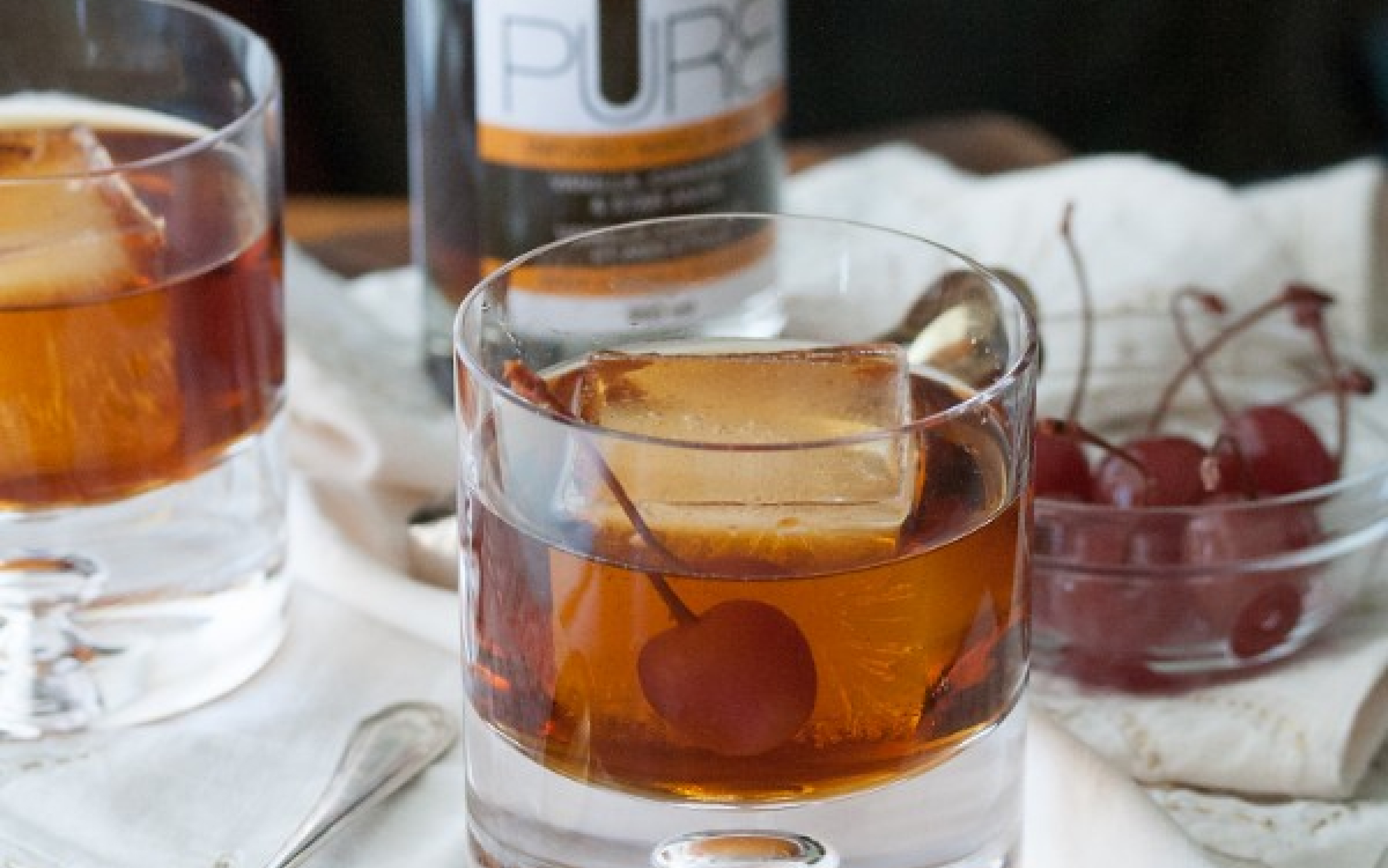
What Is a Bourbon Manhattan?
A Manhattan made with bourbon is a stirred cocktail built from three ingredients: bourbon, sweet vermouth, and bitters. It is served in a chilled coupe or martini glass, strained over no ice, and garnished with a cocktail cherry. The drink is one of the oldest named cocktails in American bar history, and its simplicity is deliberate. Every element performs a specific role, and the ratio between bourbon and vermouth is the single most consequential decision in building one.
A Brief History of the Manhattan
The Manhattan is regarded by many cocktail historians as the first modern cocktail, meaning the first spirit-based drink to use vermouth as a structural ingredient rather than as a flavoring afterthought. Its origins are genuinely disputed. The most widely repeated story traces the drink to the Manhattan Club in New York City in 1874, where it was allegedly served at a celebration for Samuel J. Tilden's gubernatorial victory. That story has largely been discredited because the woman credited with hosting the party was in England at the time. A more credible account, cited by cocktail historian David Wondrich, suggests the drink emerged from the New York bar scene in the late 1860s and early 1870s as Italian sweet vermouth became widely available in the city.
The first printed recipe for a Manhattan appeared in O.H. Byron's 1884 book, The Modern Bartender's Guide. That recipe called for whiskey, vermouth, Angostura bitters, and ice, stirred and strained. The formula has changed very little since.
Rye whiskey was the original base spirit and remains the traditional choice among purists. Bourbon became a popular alternative during the mid-20th century and is now arguably the more common choice in American bars. The two spirits produce meaningfully different Manhattans, and understanding why helps you make a more deliberate choice.
Bourbon vs. Rye in a Manhattan
The choice between bourbon and rye changes the character of a Manhattan in ways that are immediately perceptible.
Rye whiskey brings spice, grain-forward dryness, and a natural tension with sweet vermouth. The vermouth's sweetness works against the rye's assertiveness, and the interplay between those opposing forces is what many bartenders consider the defining quality of a classic Manhattan. The result is a drier, more complex drink where neither the spirit nor the vermouth gives ground easily.
Bourbon brings vanilla, caramel, and a natural sweetness from the corn in its mash bill. When combined with sweet vermouth, these flavors amplify each other rather than creating tension. The result is a richer, rounder, more dessert-like Manhattan that is often more approachable for drinkers who are new to the cocktail. High-rye bourbons like Wild Turkey 101 or Buffalo Trace land somewhere between full rye and wheated bourbon, producing a Manhattan with more edge than a soft wheated expression but more warmth than straight rye.
The Classic Recipe
The proportions below represent the modern standard for a bourbon Manhattan. They produce a drink where bourbon is clearly the lead ingredient while vermouth contributes meaningfully to the body and finish.
- 2 oz bourbon
- 1 oz sweet vermouth
- 2 dashes Angostura bitters
- Ice for stirring
- 1 Luxardo maraschino cherry for garnish
Combine bourbon, vermouth, and bitters in a mixing glass. Add ice and stir for 25 to 30 seconds. Strain into a chilled coupe or martini glass. Garnish with a cherry. Serve immediately.
Why Stirring Matters
A Manhattan is always stirred, never shaken. This is not a matter of preference. Shaking a spirit-only cocktail introduces tiny air bubbles and excess water from the ice, producing a cloudy, diluted drink with an uneven texture. Stirring chills the drink and adds a controlled, predictable amount of dilution without breaking down the drink's structure. The result is a clear, silky cocktail with a clean surface and an integrated flavor.
The stirring time matters. Under-stirring produces a drink that is too cold on the surface and too warm as it sits, with bourbon and vermouth that have not fully integrated. Over-stirring dilutes excessively and flattens the drink. Twenty-five to thirty seconds of gentle stirring with a bar spoon, moving the ice around the glass without agitating it, is the target range.
A mixing glass and bar spoon are the only equipment needed. A cocktail strainer to hold back the ice when pouring completes the setup. If you do not have a mixing glass, a pint glass or any sturdy glass large enough to hold ice and liquid works as a substitute.
The Vermouth Question
Sweet vermouth is the canonical choice for a classic Manhattan, and it is what the recipes above assume. Sweet vermouth is a fortified wine infused with a proprietary blend of herbs, spices, and botanicals. Its residual sugar and herbal complexity are what make the Manhattan more than a glass of seasoned whiskey.
Not all sweet vermouths are equal. Cheap vermouth stored improperly is one of the most common reasons a Manhattan tastes off at home. Vermouth oxidizes after opening and should be stored in the refrigerator and used within four to six weeks. Carpano Antica Formula, Cocchi Vermouth di Torino, and Dolin Rouge are premium choices worth seeking out. They produce a noticeably more complex Manhattan than grocery-store vermouth at room temperature.
Dry vermouth produces a Dry Manhattan, which is crisper, less sweet, and more herbal. It pairs well with bourbon that has a pronounced grain character. Perfect Manhattan uses equal parts sweet and dry, producing a balanced drink that sits between the two extremes. The perfect style is underrated and worth trying if you find the classic too sweet but the dry version too tart.
Choosing the Right Bourbon
The Manhattan is one of the best ways to compare how different bourbons taste against each other because the vermouth and bitters provide a consistent backdrop. A few approaches are worth knowing.
Wheated bourbons such as Maker's Mark and Larceny produce the softest, most dessert-oriented Manhattans. The wheat's natural sweetness stacks on top of the vermouth's sweetness, making the drink rich and approachable but potentially cloying for drinkers who prefer a drier profile.
High-rye bourbons such as Wild Turkey 101, Buffalo Trace, and Four Roses Single Barrel produce Manhattans with more backbone and spice. The rye grain pushes back against the vermouth's sweetness, creating more tension. These are generally preferred by bartenders building Manhattans for serious whiskey drinkers.
Older, more wood-forward bourbons such as Elijah Craig 12 Year or Knob Creek 9 Year add tannin and dried fruit notes that interact interestingly with the vermouth's herbal bitterness. The result is a richer, more complex drink that rewards attention.
One caution: barrel proof expressions above 120 proof can be difficult to balance in a Manhattan because their intensity overwhelms the vermouth at standard ratios. If using a barrel proof bourbon, reduce the pour to 1.5 oz or add a small splash of water before mixing.
The Rob Roy: Manhattan's Scotch Cousin
When a Manhattan is made with Scotch whisky instead of American whiskey, it becomes a Rob Roy. The name comes from the Scottish folk hero, and the drink follows exactly the same structure: Scotch, sweet vermouth, Angostura bitters, cherry garnish. A peated Scotch produces a dramatically different drink from a smooth Speyside expression, making the Rob Roy a particularly variable cocktail. If you enjoy Manhattans and want to explore, the Rob Roy is the most natural adjacent territory.
Manhattan Culture and Kentucky Bourbon
The Manhattan has a particular resonance in Louisville, where bourbon is both industry and identity. The city's cocktail bars stock a depth of bourbon selection that makes building and comparing Manhattans a genuine education. A bar with thirty Kentucky bourbons available by the glass becomes a laboratory for understanding how mash bill, age, proof, and distillery character translate through a simple stirred cocktail.
When you visit a Kentucky distillery and taste bourbon directly from the barrel, you are tasting the raw material that will eventually end up in a glass like this one. Understanding what a Manhattan does to a bourbon and what a bourbon does to a Manhattan makes both the tasting room and the cocktail bar a richer experience.
Ready to Taste the Bourbons That Go Into These Glasses?
The best bourbon Manhattan starts with knowing what is in the bottle. Bourbon Excursions takes small groups to Kentucky's finest distilleries, where the bourbons that make these cocktails are still aging in the barrel right now. If you are planning a bourbon tour in Kentucky, contact us today to start building your trip.

About the Author
Joey Myers

More Posts from the Bourbon Blog

