Bourbon vs. Rye Whiskey: What's the Difference?
The Short Answer
Bourbon and rye are both American whiskeys made under nearly identical federal production rules. The single difference that separates them is the primary grain: bourbon requires at least 51% corn in the mash bill, while rye whiskey requires at least 51% rye. That one grain swap produces two spirits with fundamentally different flavor identities — bourbon leans sweet, smooth, and caramel-rich; rye leans dry, spicy, and herbaceous.
Understanding why that one ingredient change produces such dramatically different results is what this post is about.
What Bourbon and Rye Have in Common
Before covering the differences, it helps to understand how much these two spirits share. Under 27 CFR § 5.143, the federal standards of identity for American whiskey, both bourbon and rye whiskey must:
• Be produced in the United States.
• Be distilled to no more than 160 proof (80% ABV).
• Enter the barrel at no more than 125 proof (62.5% ABV).
• Be aged in brand-new, charred white oak containers.
• Be bottled at no less than 80 proof (40% ABV).
• Contain no additives except water.
Those shared rules mean both spirits develop their color and the majority of their flavor from the same mechanism: a fresh charred oak barrel. The vanilla, caramel, and toasted wood notes present in both bourbon and rye come from the caramelized wood sugars in the charred barrel interior — not from any additive.
The mash bill — the grain recipe — is the only place where the law draws a hard line between them. And that line produces everything.
The Grain Rule: Corn vs. Rye
Bourbon must be made from a mash bill of at least 51% corn. In practice, most Kentucky distilleries use 65–75% corn, well above the legal minimum. The remaining grains — called flavor grains — are typically rye, wheat, or malted barley in varying proportions depending on the distillery's house style.
Rye whiskey must be made from a mash bill of at least 51% rye grain. Some commercial rye expressions use exactly 51%, while craft distillers and certain historic styles use mash bills of 95% rye or higher for a more intense, concentrated rye character.
The flavor consequences of this difference are immediate and profound. Corn ferments into a sweeter, fuller-bodied spirit. Rye ferments into a drier, more aromatic spirit with pronounced spice and herbal complexity. The same new charred oak barrel treatment applied to both produces very different results because the base spirit going in is so different.
How Corn Creates Bourbon's Sweetness
Corn is the sweetest of the major whiskey grains. Its high starch content converts readily into fermentable sugars, and the resulting fermented liquid — before distillation — is naturally sweeter than a rye or barley wash. When that corn-dominant spirit enters a new charred oak barrel, it combines with the caramelized wood sugars in the char layer to produce the vanilla, toffee, and caramel notes that define classic bourbon character.
The proof limits reinforce this effect. Distilling to no more than 160 proof preserves more of the grain's congeners — flavor compounds — than a higher-proof distillation would. The grain character survives into the barrel and ultimately into the glass, which is why you can taste the corn in a well-made bourbon rather than just tasting wood and alcohol.
How Rye Creates Spice and Complexity
Rye grain contains compounds called phenols and terpenes that are largely absent from corn. These compounds are responsible for the characteristic peppery, dry, sometimes herbal or minty notes that define rye whiskey's flavor profile. The Alcohol and Tobacco Tax and Trade Bureau's spirits guidelines set the 51% rye floor, but the flavor intensity scales significantly with how much rye is in the mash bill.
At 51–60% rye, the spirit shows spice alongside some sweetness and oak. At 75–95% rye — sometimes called a high-rye or straight rye mash bill — the grain character dominates completely: sharp, peppery, often with dried fruit, anise, and clove notes that are absent from corn-based spirits.
This is why rye whiskey historically dominated classic American cocktails. A Manhattan or Old Fashioned made with rye rather than bourbon tastes sharper, drier, and more complex — the rye's spice cuts through the sweet vermouth or simple syrup in a way that corn's sweetness does not.
Straight Rye vs. Straight Bourbon: The Age Requirement
Just as straight bourbon requires a minimum of two years aging, straight rye whiskey carries the same requirement under federal law. Any straight rye aged under four years must show an age statement on the label. Rye aged four or more years as a straight expression carries no mandatory age statement.
Age affects rye differently than it affects bourbon. Because rye's base character is already drier and more assertive, extended barrel aging tends to add complexity and integration without softening the spirit as dramatically as it does with bourbon. A well-aged rye can develop dried fruit, dark spice, and leather notes alongside the primary peppery character, producing a more layered profile than younger expressions.
The Flavor Profiles Side by Side
Bourbon. Primary notes: caramel, vanilla, toffee, brown sugar, toasted oak. Secondary notes vary by mash bill — wheated bourbons add soft fruit and honey; high-rye bourbons add pepper and dry spice. The overall impression is warm, round, and approachable.
Rye Whiskey. Primary notes: black pepper, dried herbs, clove, anise, sometimes citrus or dark fruit. Secondary notes include vanilla and caramel from the new oak, but the grain character dominates. The overall impression is dry, assertive, and complex.
The difference is most immediately apparent when tasting them neat side by side. Bourbon coats the palate and delivers its sweetness upfront. Rye hits differently — drier on the entry, with spice building mid-palate and a longer, more complex finish. Neither is better. They are genuinely different flavor experiences produced by a single ingredient change.
Which Works Better in Cocktails?
This is one of the most practically useful differences for anyone building a home bar or ordering thoughtfully at a distillery.
Bourbon works better in: cocktails where sweetness is a feature (Whiskey Sour, Bourbon Smash, Kentucky Mule) or where the spirit's softness should carry the drink. Bourbon's caramel character also makes it the standard choice for cooking applications — bourbon peaches, bourbon glazes, bourbon-spiked desserts.
Rye works better in: spirit-forward cocktails where complexity and dryness are assets. The classic Manhattan and Old Fashioned were originally rye drinks before bourbon became dominant post-Prohibition. Rye's spice stands up to sweet vermouth and bitters in a way bourbon's sweetness sometimes cannot, creating a more balanced, less cloying cocktail.
Many bartenders keep both. The choice of grain can completely change the character of the same drink.
Notable Examples of Each
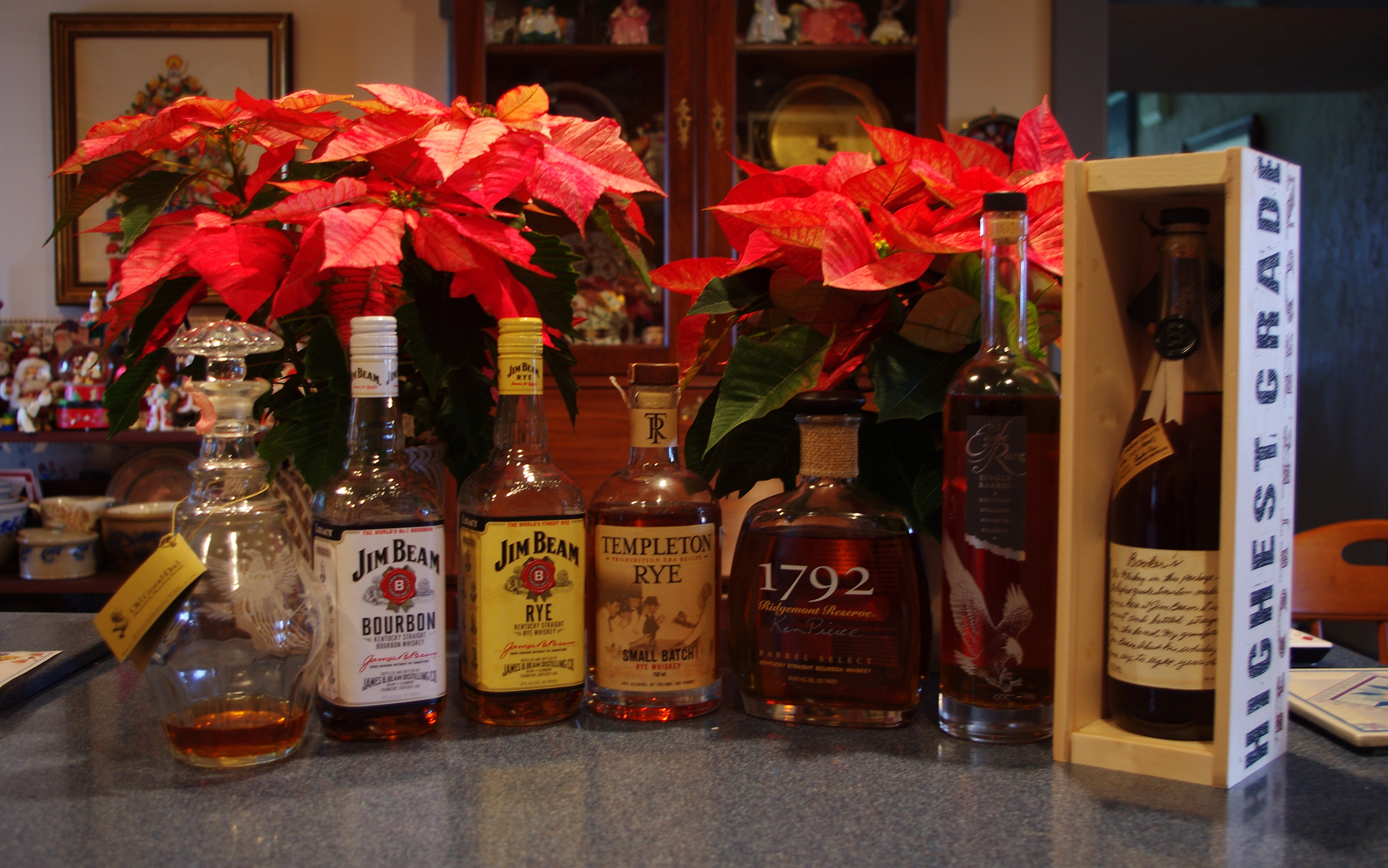
Benchmark bourbons: Buffalo Trace, Maker's Mark, Woodford Reserve, Four Roses Single Barrel, Wild Turkey 101. Each represents a different mash bill approach within the bourbon category.
Benchmark rye whiskeys: Rittenhouse Rye (51% rye, bottled-in-bond), Bulleit Rye (95% rye), WhistlePig 10 Year (100% rye), Sazerac Rye, High West Rendezvous Rye. The range from 51% to 100% rye in commercial expressions is wider than most people realize.
Why Kentucky Is the Place to Understand Both
Most Kentucky distilleries that produce bourbon also produce rye — and tasting them back to back in the same rick house, made by the same team with the same water and barrels but different grain recipes, is the clearest possible demonstration of what the grain actually does to the spirit. The other variables are held constant. Only the mash bill changes.
That kind of side-by-side tasting is exactly what a guided distillery tour in Louisville is built to deliver. When you understand what the grain does, every bottle on a back bar becomes legible in a new way.

About the Author
Joey Myers

More Posts from the Bourbon Blog