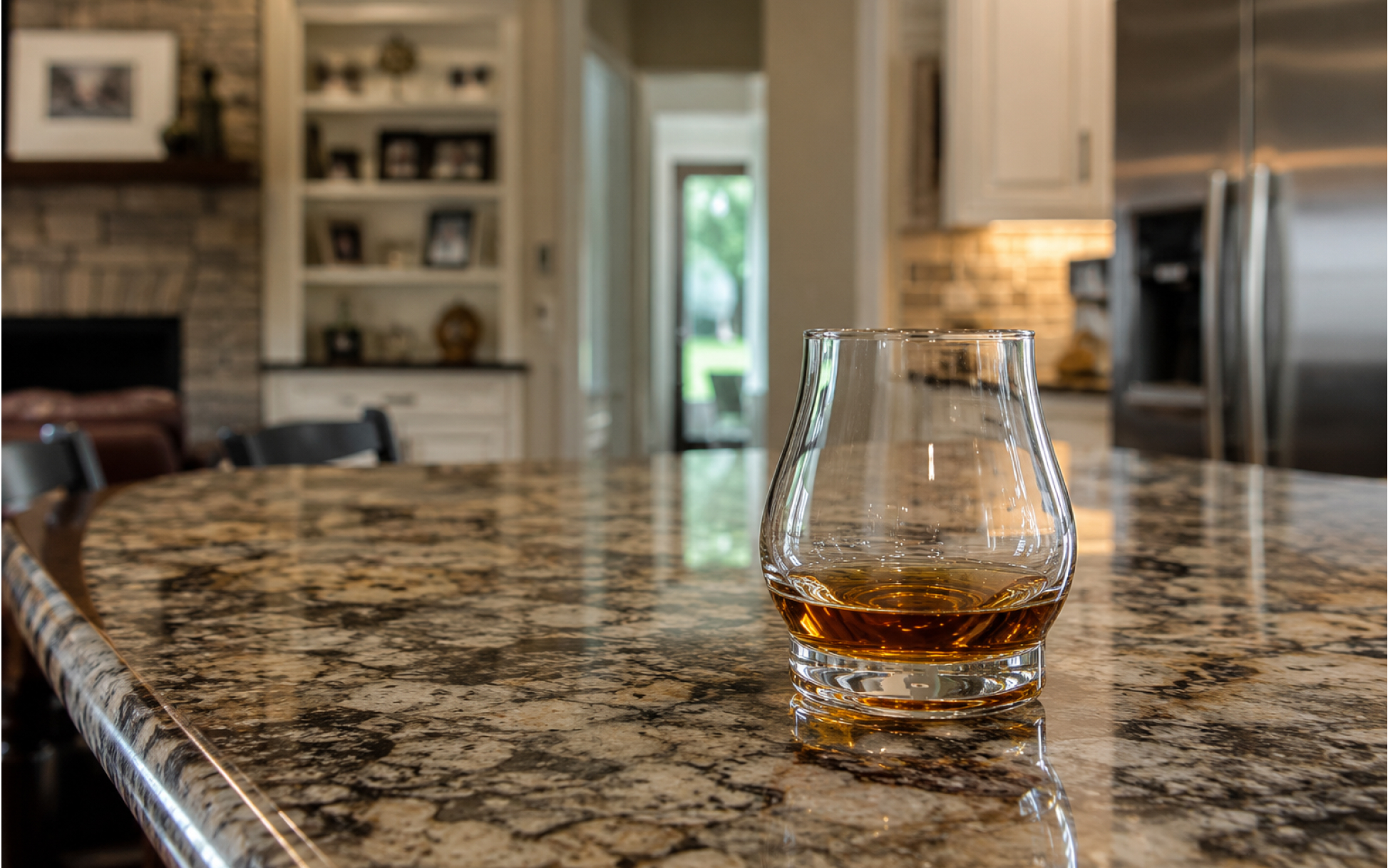
Bourbon vs. Brandy: What's the Difference?
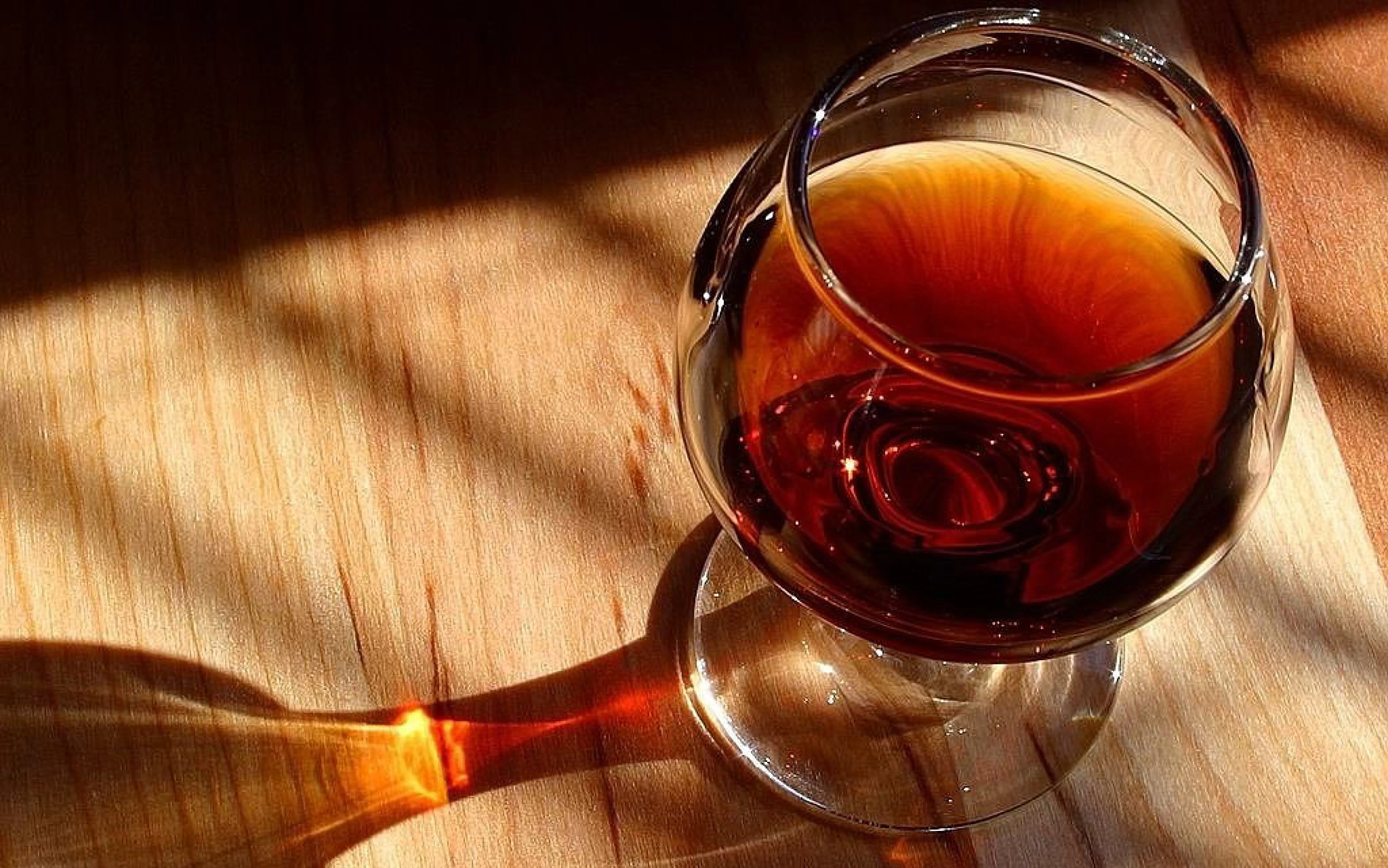
The Short Answer
Bourbon is made from grain. Brandy is made from fruit. That single difference in raw material is the source of every other distinction between the two spirits — the flavor profile, the production method, the barrel choice, and the regulatory framework governing each one.
Both are amber-colored, barrel-aged spirits that appear regularly in cocktails and behind the bars of serious whiskey drinkers. The visual and contextual similarities are real, which is why the comparison comes up. But a closer look at how each is produced makes clear that bourbon and brandy are fundamentally different categories of distilled spirit.
What Is Bourbon?
Bourbon is a type of American whiskey produced under six federal requirements codified in 27 CFR § 5.143. To carry the bourbon label, a spirit must be produced in the United States, made from a grain mash of at least 51% corn, distilled to no more than 160 proof, entered into the barrel at no more than 125 proof, aged in brand-new charred white oak containers, and bottled without any additives except water.
In 1964, Congress declared bourbon a distinctive product of the United States, giving it the same kind of legal protection internationally that Champagne has in France. The rules are enforced by the Alcohol and Tobacco Tax and Trade Bureau and apply to every bottle labeled bourbon sold in the country.
Kentucky produces roughly 95% of the world's bourbon. The combination of limestone-filtered water, extreme seasonal temperature swings that push the spirit in and out of the barrel wood, and over 200 years of accumulated distilling craft make Kentucky the undisputed home of the category.
What Is Brandy?
Brandy is a broad category of spirits produced by distilling fermented fruit juice or wine. The word comes from the Dutch brandewijn, meaning burnt wine — a reference to the distillation process that concentrates the alcohol and flavor of the original ferment.
Most brandy is made from grapes, but the category also includes apple brandy (most famously Calvados from Normandy, France), pear brandy, cherry brandy (Kirsch), and brandies made from other fruit bases. The two most celebrated grape brandies are Cognac and Armagnac, both from southwestern France and both governed by strict appellation rules under French law.
Unlike bourbon, brandy is made worldwide and comes in dozens of legally distinct styles, each with its own production requirements. What they share is the fruit base and the general process of fermentation, distillation, and barrel aging.
The Base Ingredient: Grain vs. Fruit
This is the defining difference. Bourbon begins with a grain mash — predominantly corn, with rye, wheat, and malted barley filling out the recipe. The grain is cooked to release its starches, which convert to fermentable sugars, which yeast then converts to alcohol.
Brandy begins with fruit — specifically, the natural sugars already present in the fruit. Grapes, apples, pears, and other fruits are crushed and fermented without the cooking step required for grain. The resulting fermented liquid — essentially a wine or cider — is then distilled into brandy.
This difference in raw material produces two completely different flavor foundations before a single drop of either spirit has touched a barrel. Grain-based spirits carry the sweetness and body of corn along with the spice and complexity of the secondary grains. Fruit-based spirits carry the aromatic esters and acids of the fruit — floral, fruity, and complex in a way that grain spirits are not.
Distillation: How Each Is Made
Most bourbon is distilled using a continuous column still, often followed by a second pass through a doubler or thumper. This method is efficient and consistent. Federal law caps bourbon distillation at 160 proof — a ceiling designed to preserve grain flavor compounds that would otherwise be stripped out at higher proofs.
Premium brandy — particularly Cognac and Armagnac — is traditionally distilled in copper alembic pot stills, the same style of still used in Scotch whisky production. Cognac is double-distilled in small batches, a slower and more expensive process that captures the delicate fruit esters and aromatic compounds that define the spirit's character. Mass-produced brandies may use continuous stills, but the prestigious regional appellations require traditional pot still methods.
The difference in still type is meaningful. Column stills are efficient at producing consistent, clean spirit at high volumes. Pot stills preserve more of the base material's character — which is exactly what you want when that base material is a carefully selected wine made from specific grape varieties grown in a specific region of France.
Barrel Aging: The Biggest Practical Difference
Both bourbon and brandy develop their color, aroma, and much of their flavor in oak barrels. But the barrel requirements are completely different, and those differences produce dramatically different results.
Bourbon is legally required to use brand-new, charred white oak containers for every single batch. No exceptions, no reuse. The char creates a layer of caramelized wood sugars on the barrel's interior — the direct source of bourbon's vanilla, caramel, and toffee character. After the bourbon is removed, these barrels are sold to Scotch distilleries, rum producers, and craft breweries worldwide. The new barrel requirement is one of the reasons bourbon's flavor profile is so bold and consistent.
Brandy has no requirement for new oak. Cognac is typically aged in Limousin or Tronçais French oak, often in previously used barrels. The used wood imparts a softer, more integrated oak influence — enough to add structure and complexity without overwhelming the delicate fruit character that defines the spirit. Armagnac uses black oak barrels. American brandy may use ex-bourbon barrels. The barrel philosophy across the brandy world prioritizes restraint; the goal is to support the fruit, not transform it.
Additives and Purity
Bourbon permits only water at bottling. No caramel coloring, no flavorings, no sweeteners. The color in a bourbon glass came from the barrel. The vanilla and caramel on the nose came from charred wood compounds extracted during aging. This is one of the strictest purity standards in the global spirits industry.
Brandy regulations vary by category and country. Most permit the addition of caramel coloring to ensure visual consistency across vintages and batches. Some categories permit small amounts of sweetening compounds. Cognac, for example, allows the addition of caramel coloring and a small amount of sugar and oak extract under the regulations of the Bureau National Interprofessionnel du Cognac. This does not diminish the quality of fine Cognac — it is an industry-accepted practice — but it does contrast with bourbon's absolute no-additives rule.
Flavor: How They Actually Taste Different
Bourbon is warm, sweet, and oak-driven. The corn base delivers natural sweetness. The new charred oak delivers vanilla, caramel, toffee, and toasted wood. The secondary grain — rye, wheat, or barley — adds a layer of spice, softness, or earthiness depending on the house style. The overall impression is bold, round, and immediately recognizable.
Brandy is fruit-forward, floral, and complex in a different register. Cognac shows dried fruit, floral notes, vanilla, and a distinctive rancio character that develops with long aging — a nutty, almost cheesy depth found in old spirits that have spent years in small oak. Apple brandy carries the crisp, fruity character of the orchard alongside the vanilla and spice from barrel contact. The fruit never fully disappears; it evolves.
Both are excellent neat, both work in cocktails, and both age beautifully. The sidecar — brandy, Cointreau, lemon — is a classic for the same reason the Old Fashioned is a classic with bourbon. The spirit's core character anchors the drink.
Can You Substitute One for the Other?
In cooking, bourbon and brandy are often interchangeable. Both deglaze a pan well, both flambe effectively, both add warmth and depth to sauces, custards, and baked goods. The flavor contribution will differ — bourbon adds caramel and vanilla; brandy adds fruit and floral notes — but neither substitution will ruin a dish.
In cocktails, substitution is less clean. A Sidecar made with bourbon instead of brandy is a different drink — heavier, sweeter, less delicate. A Whiskey Sour made with brandy instead of bourbon is lighter and more aromatic but loses the corn-driven weight that makes the classic version so satisfying. Both are worth trying, but neither is the original.
The Kentucky Angle
Understanding brandy actually helps explain what makes bourbon distinctive. Brandy shows what a fruit-based, pot-still-distilled, used-oak-aged spirit tastes like at its best — refined, aromatic, complex. Bourbon is the answer to a completely different set of questions: what does a corn-dominant, new-oak-aged, no-additives American spirit taste like?
The answer is something you can only fully appreciate in Kentucky, where the barrels are stored in rick houses that experience genuine seasonal extremes, where the water filters through limestone before it touches the grain, and where the tradition of making this specific spirit stretches back to the late 18th century.

About the Author
Joey Myers

More Posts from the Bourbon Blog