THE BOURBON EXCURSIONS BLOG > Bourbon Basics

Bourbon BasIcs

Start Here Before Anything Else

Everything starts with understanding what's actually in the glass. This category covers the fundamentals — what legally makes a whiskey a bourbon, how it's made from grain to barrel to bottle, what proof and age statements mean, and why Kentucky produces 95% of the world's supply. Whether you've never tried bourbon or you've been drinking it for years, these are the posts that make everything else click.

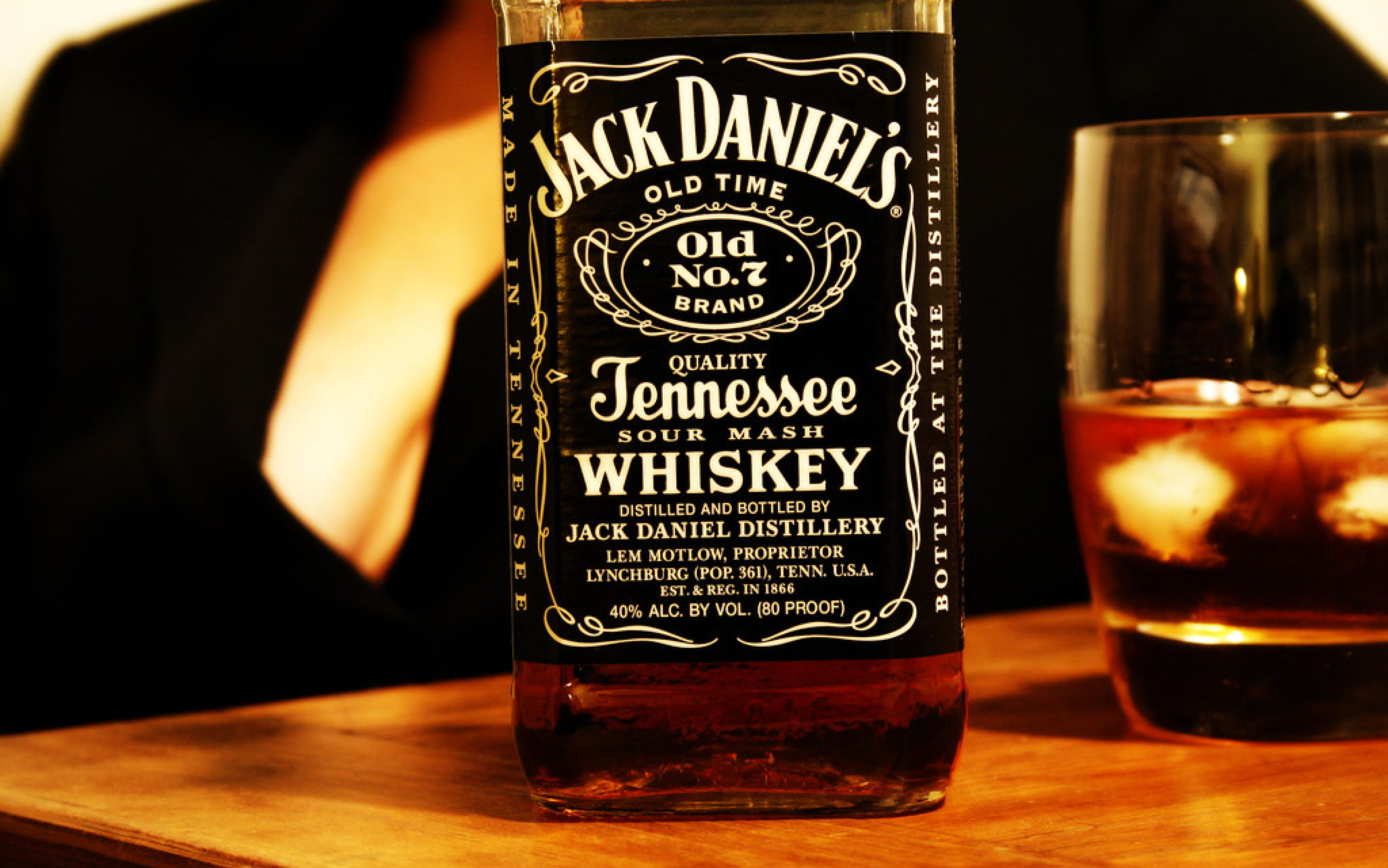
Why Is Jack Daniel's Not a Bourbon?
Jack Daniel's meets every federal bourbon requirement. It calls itself Tennessee whiskey because of the Lincoln County Process charcoal filtering step, which federal bourbon law neither requires nor prohibits. Here is the full story behind the distinction and why it matters.
Read Now
What Is Sour Mash Bourbon? The Process Behind Most Kentucky Whiskey
Sour mash bourbon uses backset, the acidic liquid left from a previous distillation, to seed each new fermentation batch. The name refers to the process, not the flavor. Nearly every major Kentucky bourbon is made this way. Here is why, who invented it, and how it differs from sweet mash.
Read Now
What Color Is Bourbon? How the Barrel Creates That Amber Hue
Bourbon ranges from clear at the still to near-black mahogany at 20+ years. Every shade of amber comes entirely from the charred oak barrel - no color may be added to bourbon by law. Here is the chemistry behind the color and what it tells you about what is in the glass.
Read Now
How Long Does Bourbon Age? Aging, Oak, and What It Means for Flavor
Bourbon has no maximum aging requirement. Straight bourbon requires two years minimum. Most premium releases age four to twelve years. Here is exactly what happens inside the barrel over time, why the angel's share makes older bourbon expensive, and what age really means for flavor.
Read Now
What Proof Is Bourbon? ABV, Proof, and Cask Strength Explained
Proof equals twice the ABV percentage. Every bourbon must be bottled at a minimum of 80 proof. Here is what every proof range means, where the legal limits sit, and why barrel proof bourbon tastes so different from a standard release.
Read Now
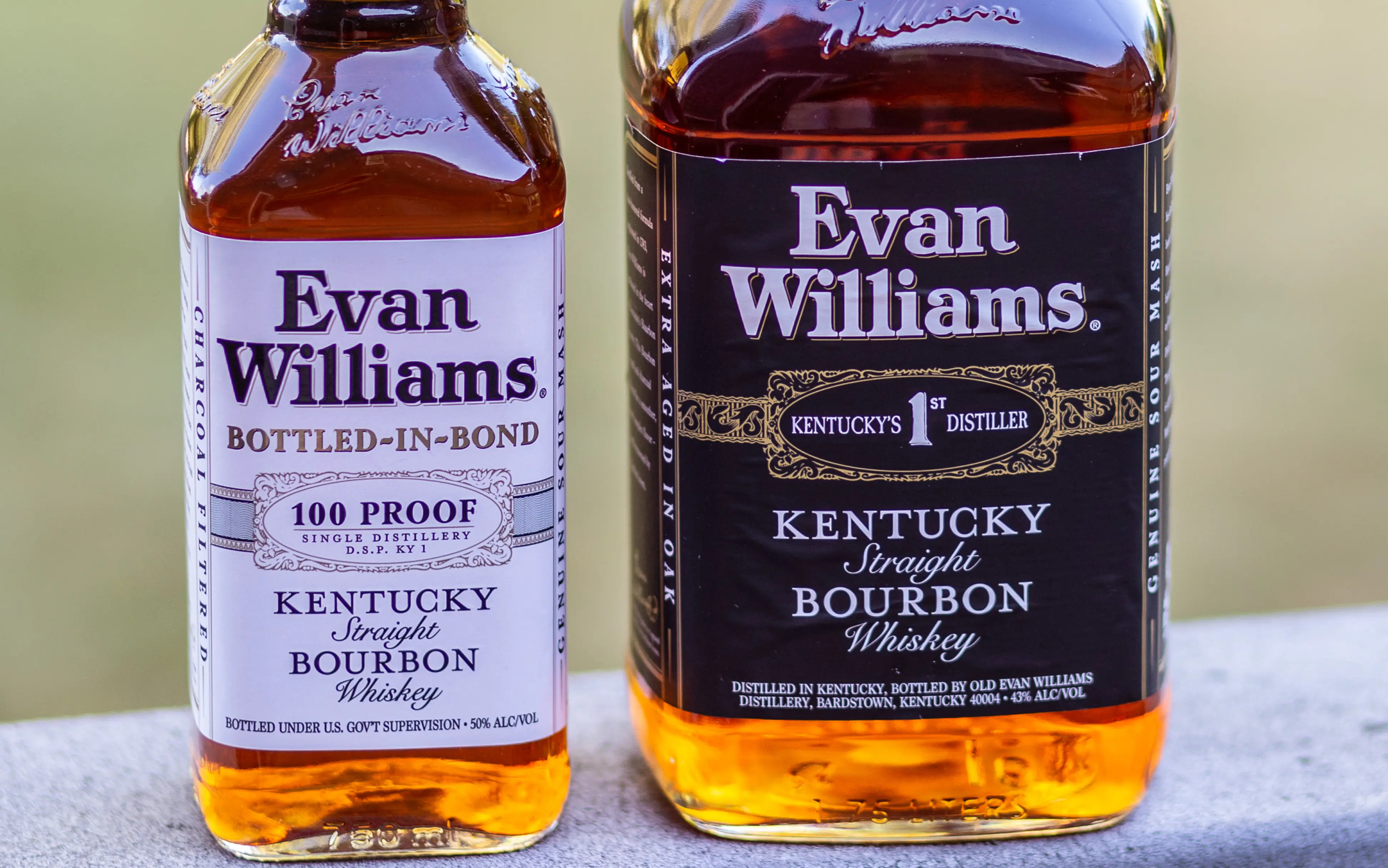
What Is Bottled-in-Bond Bourbon? The Forgotten Federal Standard
Bonded bourbon must meet four federal requirements set in 1897: one distillery, one season, four years of aging, and exactly 100 proof. Here is the full history and what it means for the bottle in your hand.
Read Now
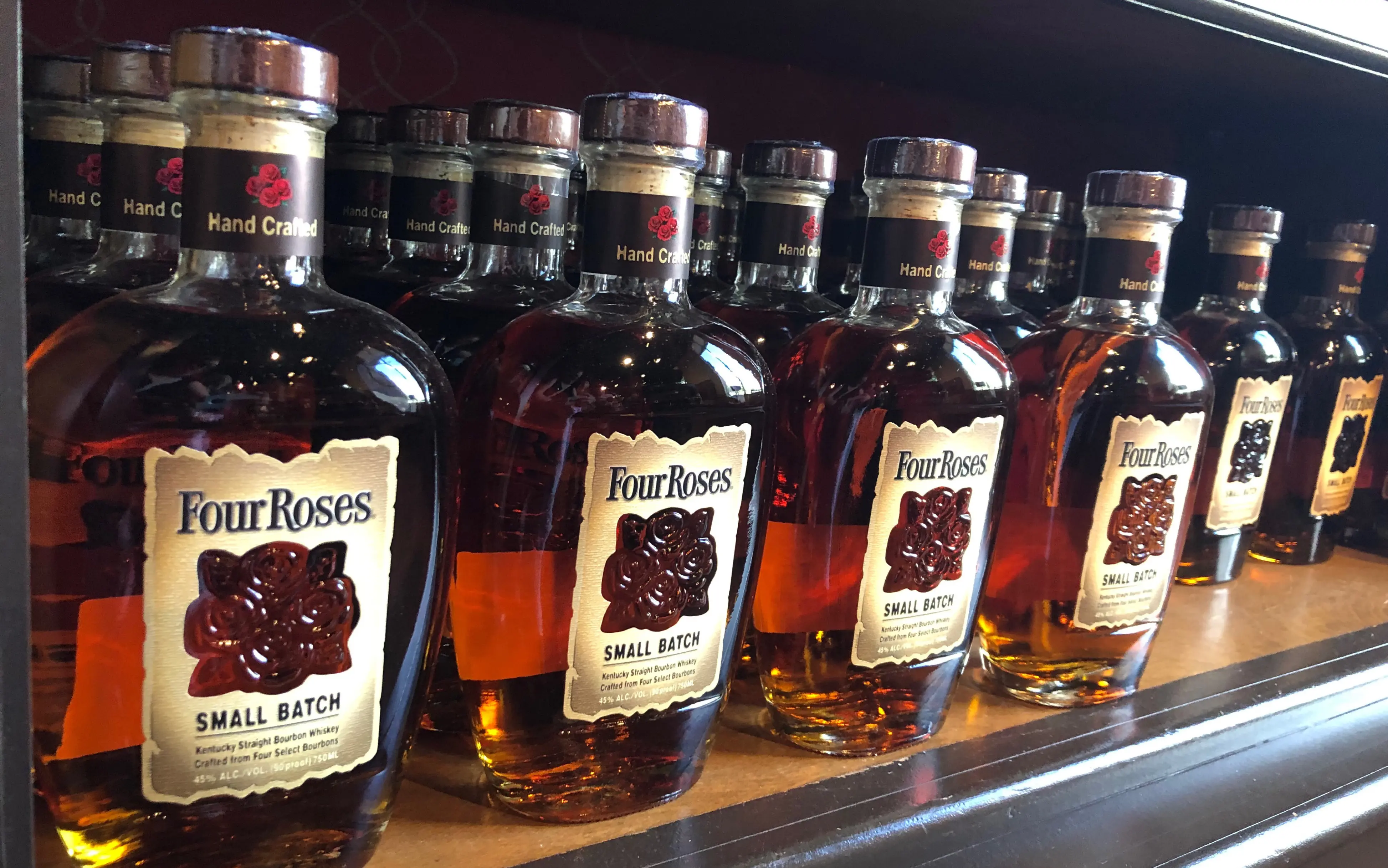
What Is Small Batch Bourbon? (And Single Barrel, Too)
Small batch, single barrel, barrel proof, bottled-in-bond — four bourbon label terms that appear on nearly every premium bottle. Here is exactly what each one means, what the law requires, and what to expect in the glass.
Read Now
What Grains Are Used to Make Bourbon?
Bourbon must be made from at least 51% corn. The remaining grains — rye, wheat, and malted barley — define the style. Here is exactly what each grain does and why the mash bill is the most important flavor decision in bourbon production.
Read Now
Black van outside Churchill Downs with the Bourbon Excursions logo on it

Book a Private Tour

Ready to book your custom Bourbon Trail tour? Let our expert guides help you design a personalized itinerary tailored to your tastes and interests, ensuring an unforgettable experience every step of the way. From private tastings to exclusive distillery access, we’ll make sure every moment is exceptional.
BOOK NOW